
White Tea vs Green Tea: What Is the Difference?
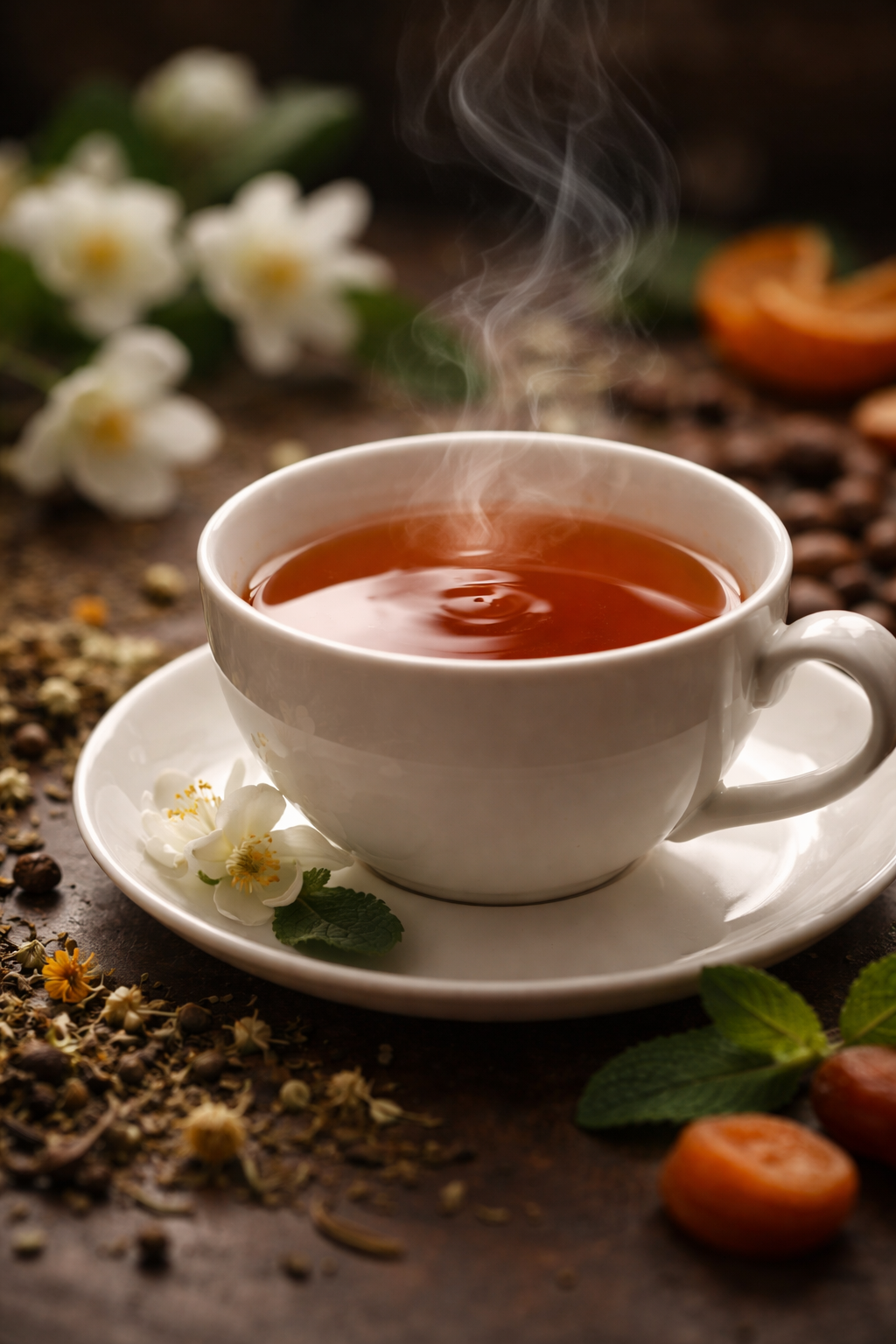
White tea and green tea come from the same tea plant, but they are processed differently. White tea is usually withered and dried with minimal handling, producing soft, floral and gently sweet flavours. Green tea is heated soon after harvest to limit oxidation, creating a fresher, grassier or more vegetal cup. Neither is inherently better; the choice depends on flavour, texture and brewing preference.
White tea and green tea are sometimes grouped together because both are lightly processed and often pale in the cup. They are not the same, however. Their leaves are selected, handled and dried differently, and those decisions shape everything from aroma and texture to brewing behaviour.
White tea is generally the less manipulated of the two. Green tea receives an early application of heat to stop most oxidation, while white tea is usually allowed to wither naturally before drying. The result is not simply a weaker version of green tea, but a distinct category with its own structure and range.
White Tea and Green Tea at a Glance
- Withered and dried with minimal handling
- Often floral, honeyed, fruity or softly herbal
- Usually gentle in body and aroma
- Can become richer with careful ageing
- Heated early to limit oxidation
- Often grassy, vegetal, marine or nutty
- Usually brighter and more brisk
- Commonly brewed with cooler water
What Is White Tea?
White tea is produced with relatively little intervention. Freshly picked buds and leaves are spread out to wither, allowing moisture to leave gradually, before they are dried. The leaves are not usually rolled or heavily shaped, and oxidation occurs slowly and unevenly during withering.
The category includes delicate bud teas as well as fuller styles made with larger leaves. Flavours may suggest wildflowers, melon, pear, honey, hay, cucumber, dried herbs or soft stone fruit. Older or more heavily withered white teas can develop deeper notes of wood, dried fruit and gentle spice.
Its pale appearance can be misleading. Some white teas are subtle, but others offer considerable texture and sweetness. A tea made from mature leaves may feel rounder and more substantial than a fine-bud style, even when the liquor remains light in colour.
What Is Green Tea?
Green tea is made by heating the leaves soon after harvesting to slow the enzymes responsible for oxidation. Chinese producers often pan-fire the leaves, while many Japanese green teas are steamed. These methods create different expressions within the same broad category.
Pan-fired green teas may taste chestnut-like, softly toasted or slightly sweet. Steamed green teas often have a more vivid vegetal or marine character, with notes that can suggest spinach, seaweed, fresh grass or herbs.
Green tea is often more sensitive to brewing temperature than white tea. Water that is too hot can quickly extract bitterness and astringency, particularly from fine or broken leaves. Lower temperatures and shorter infusions usually preserve sweetness and clarity.
Which Tea Suits Your Taste?
Choose the quality you value most.
The Main Differences
Processing
White tea is usually withered and dried with little shaping, while green tea is heated early to prevent most oxidation. White tea therefore develops through slow moisture loss and gentle natural change, whereas green tea preserves a more immediate expression of the fresh leaf.
Flavour and aroma
White tea often leans towards flowers, honey, soft fruit and dried herbs. Green tea more commonly emphasises grass, vegetables, seaweed, nuts or toasted grains. Both can be sweet, but white tea is usually rounder while green tea is often brighter and more brisk.
Brewing temperature
White tea can often tolerate warmer water than its delicate reputation suggests, particularly when the leaves are large and intact. Green tea is usually less forgiving and may become sharply bitter when brewed too hot. Exact temperatures should still be adjusted according to style, leaf quality and producer guidance.
Caffeine
Neither category always contains more caffeine. Bud-heavy white teas can be relatively high in caffeine, while some mature-leaf white teas may be lower. Green tea also varies widely according to cultivar, harvest, leaf quantity, water temperature and steeping time.
Follow the Tea Leaf
Explore how ingredients become drinking experiences
Tea is shaped by processing, preparation and the setting in which it is served. Continue through Destination Beverage for wider beverage discovery, or explore how modern drinks are developed through Studio Origin.
Is White Tea More Delicate Than Green Tea?
White tea is often described as the more delicate category, but this is only partly true. Fine-bud white teas can be subtle and floral, yet larger-leaf styles may have considerable body, sweetness and depth. Some can also withstand repeated infusions and relatively hot water.
Green tea may appear more robust because its vegetal flavour is more immediate, but it is often more sensitive during brewing. Excessive heat or time can quickly produce bitterness, whereas many whole-leaf white teas remain rounded even when steeped a little longer.
The distinction is therefore less about strength and more about expression. White tea tends to unfold gradually, while green tea often presents its character more directly.
Which One Should You Choose?
Choose white tea when you prefer a softer cup with floral, honeyed or gently fruity flavours. It is well suited to slow drinking and repeated infusions, particularly when the leaves are whole and carefully processed.
Choose green tea when you want freshness, briskness and a more vegetal character. It can be especially appealing when served in the morning, alongside food or chilled during warmer weather.
Brewing habits matter as well. White tea may suit drinkers who prefer a more forgiving and gradual infusion, while green tea often rewards precise control over temperature and time.
The Final Verdict
The main difference between white tea and green tea lies in processing. White tea is usually withered and dried with minimal intervention, producing a softer and more rounded profile. Green tea is heated soon after harvest to limit oxidation, preserving fresher and more vegetal flavours.
Neither is automatically more refined or higher in quality. The final cup depends on cultivar, origin, harvest, processing, storage and brewing. This relationship between leaf and craft is central to The Drink Journal and its exploration of contemporary beverage culture.
One More Pour
Continue from tea into the wider language of drinks
Learn more about TDJ’s editorial approach, or see how familiar ingredients can be reinterpreted through Kopi-O.
Frequently Asked Questions
Is white tea the same as green tea?
No. Both come from Camellia sinensis, but white tea is generally withered and dried with minimal handling, while green tea is heated early to prevent most oxidation.
Does white tea contain less caffeine than green tea?
Not necessarily. Bud-heavy white teas can contain substantial caffeine, while larger-leaf white teas may contain less. Brewing method and leaf quantity also affect the final cup.
Which tea is less bitter?
White tea is often less brisk and less bitter, but either tea can become unpleasant when overbrewed. Green tea is particularly sensitive to excessive heat and long infusion times.
Can white tea and green tea be brewed more than once?
Yes. High-quality whole-leaf examples of both can be reinfused. White tea often develops gradually, while green tea may reveal a softer and sweeter character in later steeps.
Which tea is better for beginners?
White tea may be more forgiving, while green tea offers a clearer introduction to fresh and vegetal flavours. The better choice depends on whether the drinker prefers softness or brightness.
 Nicholas lin
I own Restaurants. I enjoy Photography. I make Videos. I am a Hungry Asian