Coffee Classics: Jebena Brew (Ethiopia)
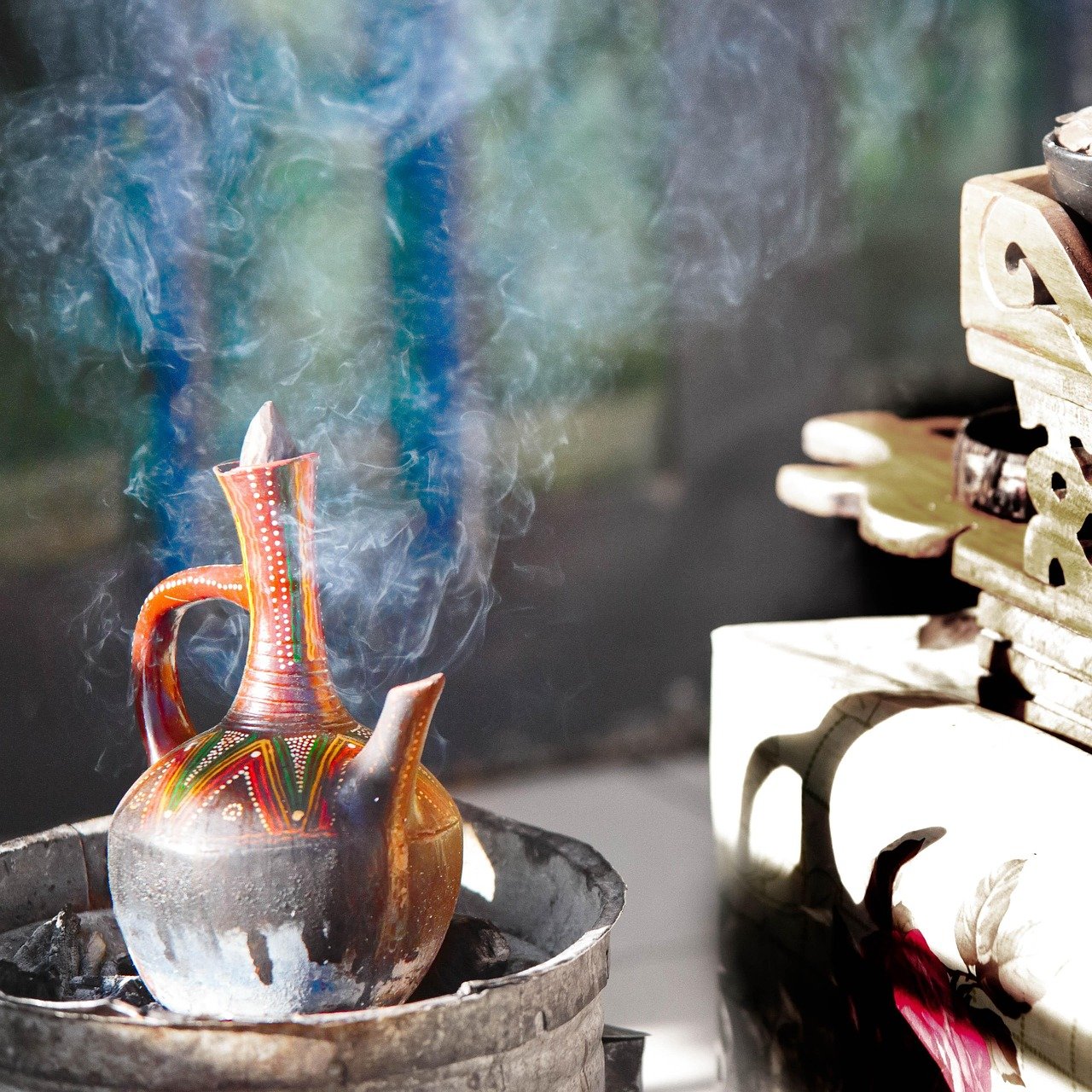
The jebena is more than a brewing vessel. It is a piece of living culture shaped from clay, carried through generations, and used for one of the oldest coffee traditions in the world. While Ethiopian Buna refers to the ceremony as a whole, the Jebena Brew focuses on the taste and texture that this distinctive pot creates. The jebena brews coffee slowly, letting heat travel through its round belly and narrow neck to produce a cup that feels both dense and luminous. For many Ethiopians, this is the purest expression of home.
Roasting the beans is still the beginning. The aroma rises gently as the pan warms, drifting through the room in a way that invites everyone to gather around. In cafés across the world that honour Ethiopian heritage, such as Ogawa Coffee in Boston, you can sometimes sense echoes of this slower craft in the way their baristas treat the beans before brewing. The jebena keeps that spirit intact. Once the roasted beans are ground, they are added straight into the clay pot with water, and the mixture is allowed to heat until the surface lifts in a quiet swell. This moment marks the beginning of the brew.
The result is dark, thick, and gently earthy, with flavours that feel round and unfiltered. Modern brewing guides like A Beginner’s Guide to Understanding Specialty Coffee help explain why this happens. The jebena allows fine particles to remain suspended in the liquid, creating a fuller mouthfeel that metal-filter methods cannot replicate. There is no sharp separation between coffee and water. They steep, settle, and merge in their own time.
Jebena Brew is usually served without sugar, though many add a small spoonful depending on region or household preference. Cups are small and handleless, designed to be held close. In some parts of Ethiopia, this brew accompanies long afternoons of conversation, a habit not far from the lingering pace found in Sarnies Café Sukhumvit, where the sensory qualities of coffee are treated with quiet respect. Jebena Brew asks you to slow down. It rewards stillness, silence, and the willingness to taste each moment fully.
Aroma rising.
Clay warming.
A cup balanced between strength and softness.
Ingredients
Freshly roasted Ethiopian coffee beans
Water
Optional sugar
Equipment Needed
Jebena
Roasting pan
Mortar and pestle or hand grinder
Small cups
Heat source
Method
Rinse and dry the green beans.
Roast the beans in a pan until they turn dark and aromatic.
Grind them to a medium-fine texture.
Fill the jebena with water and warm it gently.
Add the ground coffee directly into the pot.
Bring the mixture to a slow simmer until the surface rises.
Remove from heat and allow the grounds to settle.
Pour into small cups in a steady stream.
Repeat for additional rounds if desired.
Notes
The jebena produces a dense and velvety brew because it does not use a filter.
Long, even heating helps the coffee develop sweetness without burning.
Ethiopian beans with natural processing are ideal for this brewing style.
Serve with popcorn or roasted barley to honour the traditional pairing.
The shape of the jebena creates natural convection, which deepens the flavour during brewing.
If you enjoy comparing cultures and methods, consider exploring the contrasts described in How to Choose the Right Brewing Method.
Further Reading & Related Coffee Classics
For more delicious explorations around globally iconic brews: