The Role of Structure and Finish in Coffee Liqueur Design
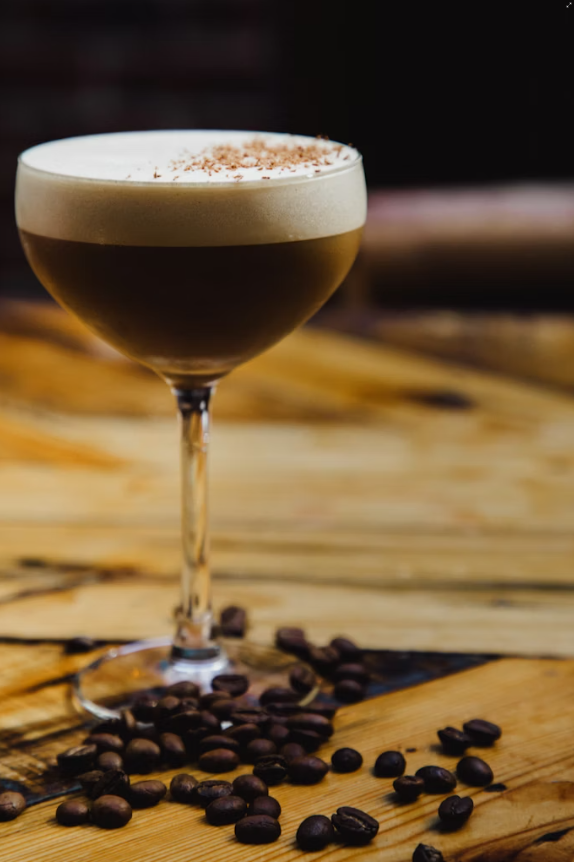
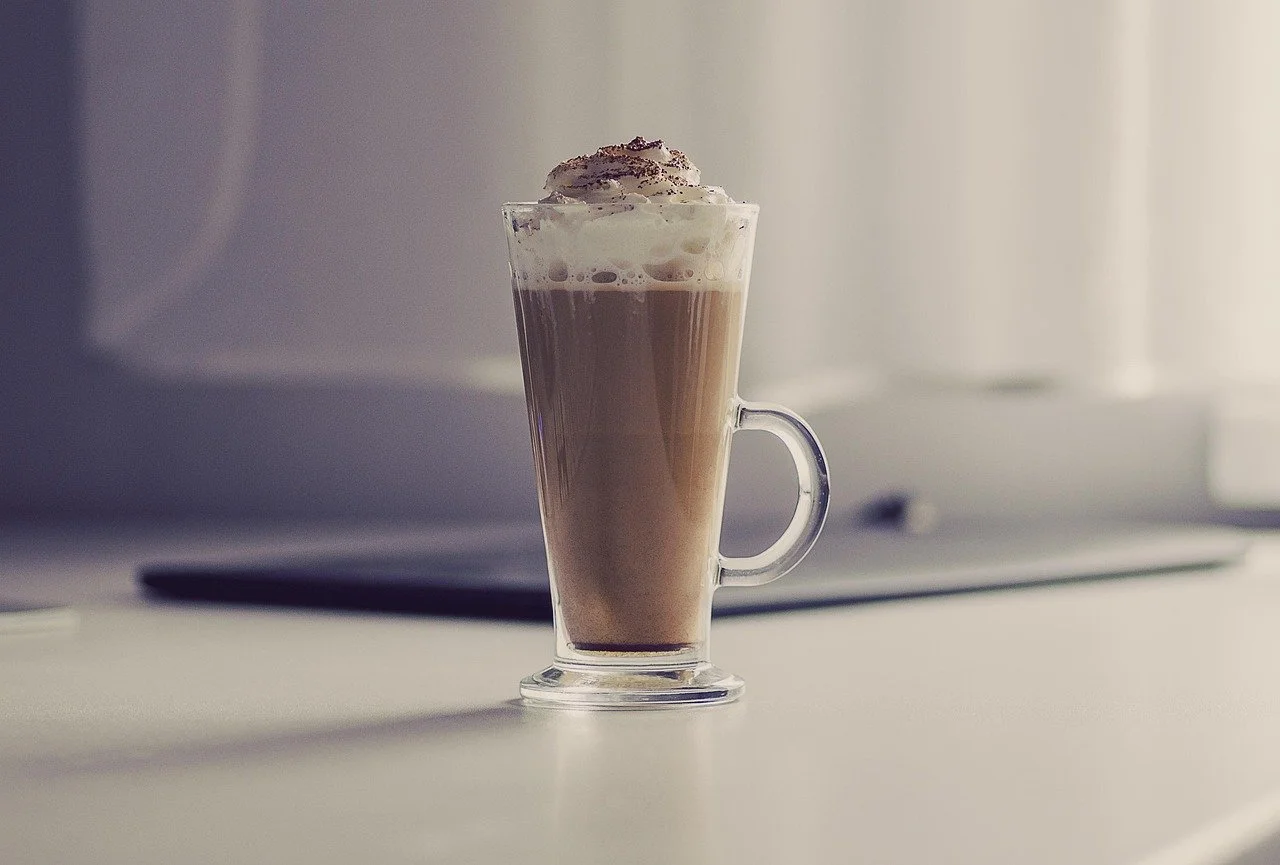

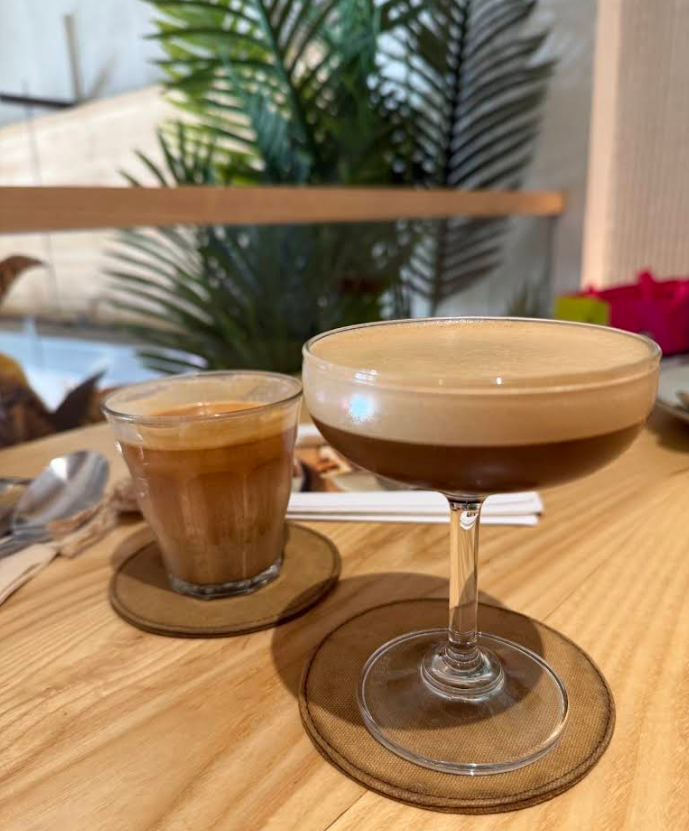
Coffee liqueur is often judged too quickly. One sip, one cocktail, one impression. But in professional bars, the real evaluation happens over time. How does it behave when shaken hard? Does it hold up once diluted? What lingers after the glass is empty?
This is where structure and finish matter. Not aroma. Not branding. Not how sweet the first sip feels. Structure and finish determine whether a coffee liqueur earns a permanent place behind the bar or quietly disappears from rotation.
What Structure Really Means in a Coffee Liqueur
Structure is how a liqueur holds itself together from first contact to final swallow. In coffee liqueur, structure comes from the relationship between sweetness, alcohol strength, bitterness, and texture.
Poorly structured coffee liqueurs feel scattered. Sweetness hits first, bitterness arrives late, and alcohol feels disconnected. In cocktails, this creates drinks that start pleasant but collapse quickly once ice and dilution enter the picture.
Well-structured coffee liqueurs feel composed. Sweetness supports the coffee rather than masking it. Bitterness adds definition without sharpness. Alcohol provides lift, not burn. This balance allows the liqueur to integrate smoothly whether it is shaken, stirred, or served neat.
These same ideas apply broadly to cocktail building, which is why structural thinking appears frequently in editorial pieces like How to Use Ice to Control Dilution in Cocktails.
Finish Is Where Quality Reveals Itself
Finish is what remains after the sip. In coffee liqueurs, it is where shortcuts show.
Short finishes fade into sugar. Long but messy finishes turn bitter, astringent, or oddly metallic. Neither invites a second sip. A good finish should feel clean, deliberate, and quietly satisfying.
In cocktails, finish matters even more. A drink may smell inviting and taste balanced, but if the aftertaste feels heavy or muddy, the experience ends poorly. This is especially noticeable in espresso-based cocktails and after-dinner serves, where lingering flavours define the final impression.
Understanding finish is also why bartenders pay attention to glassware and presentation. The last sensation is influenced by how the drink is served, a topic explored in How to Choose the Right Glass for Any Cocktail.
Why Finish Shapes Versatility
A clean finish expands how a coffee liqueur can be used. It allows the ingredient to work in both rich and restrained drinks.
With dessert cocktails, a clean finish prevents palate fatigue. With stirred spirit-forward drinks, it avoids lingering sweetness that can clash with whisky or rum. With espresso cocktails, it ensures coffee character fades gracefully instead of turning harsh.
This versatility is one reason bars favour coffee liqueurs that feel intentional rather than indulgent. They want ingredients that conclude the drink as thoughtfully as they begin it.
Pairing considerations reinforce this idea, especially when coffee liqueurs appear alongside food. Guides like How to Pair Cocktails With Food: A Modern Guide highlight how finish can either complement or disrupt the dining experience.
Where Many Coffee Liqueurs Miss the Mark
Many coffee liqueurs are designed for immediate impact. They taste bold on first sip but lack internal balance. Excess sugar creates weight without structure. Over-roasted coffee adds bitterness without clarity. Alcohol becomes an afterthought.
These design choices feel appealing in isolation but fail under real bar conditions. Once ice melts, milk softens edges, or spirits add complexity, the weaknesses become obvious.
Bars do not judge coffee liqueurs by how they taste once. They judge them by how they perform repeatedly, across multiple builds, throughout a service.
How KopiO Approaches Structure and Finish
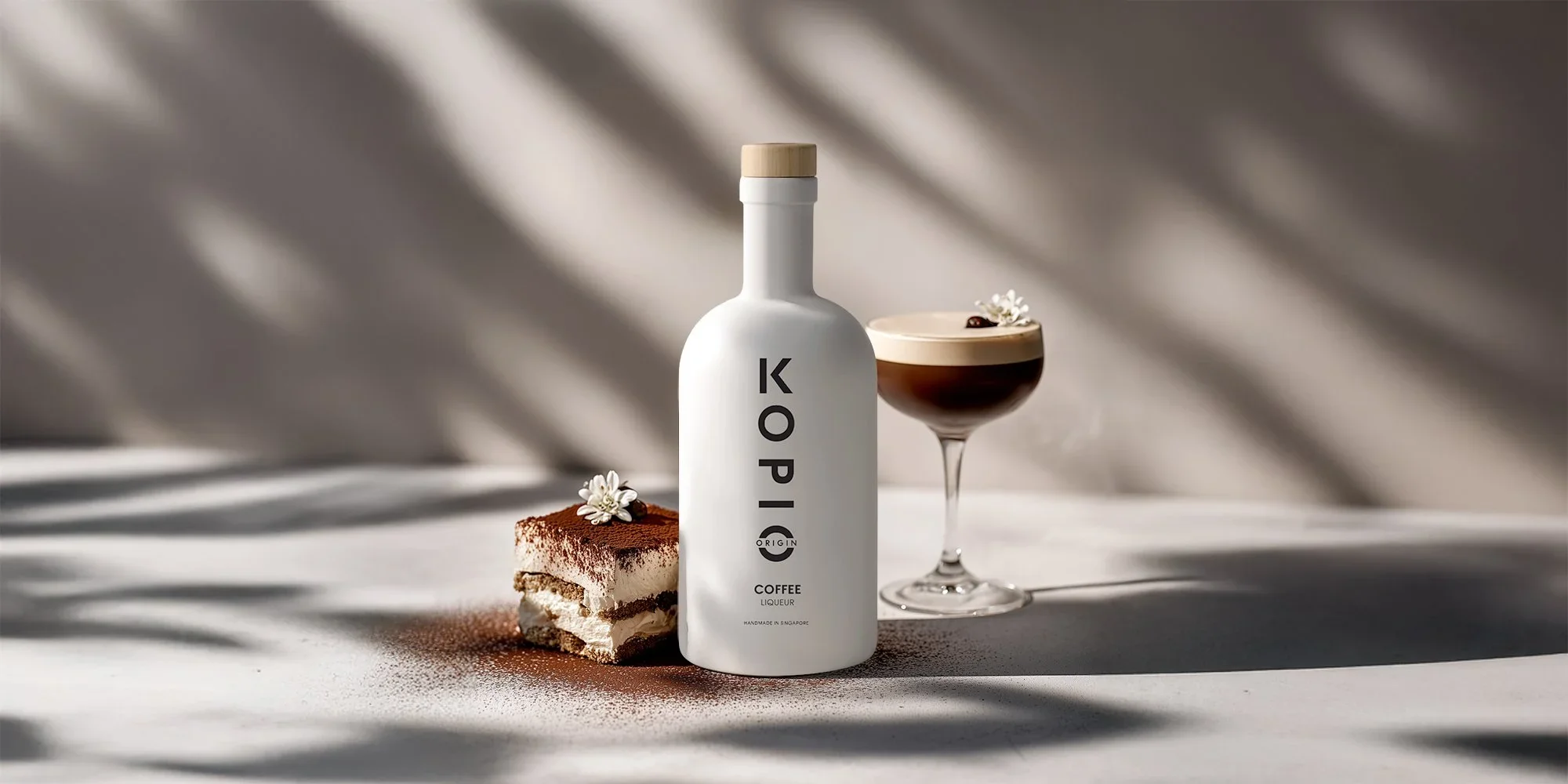
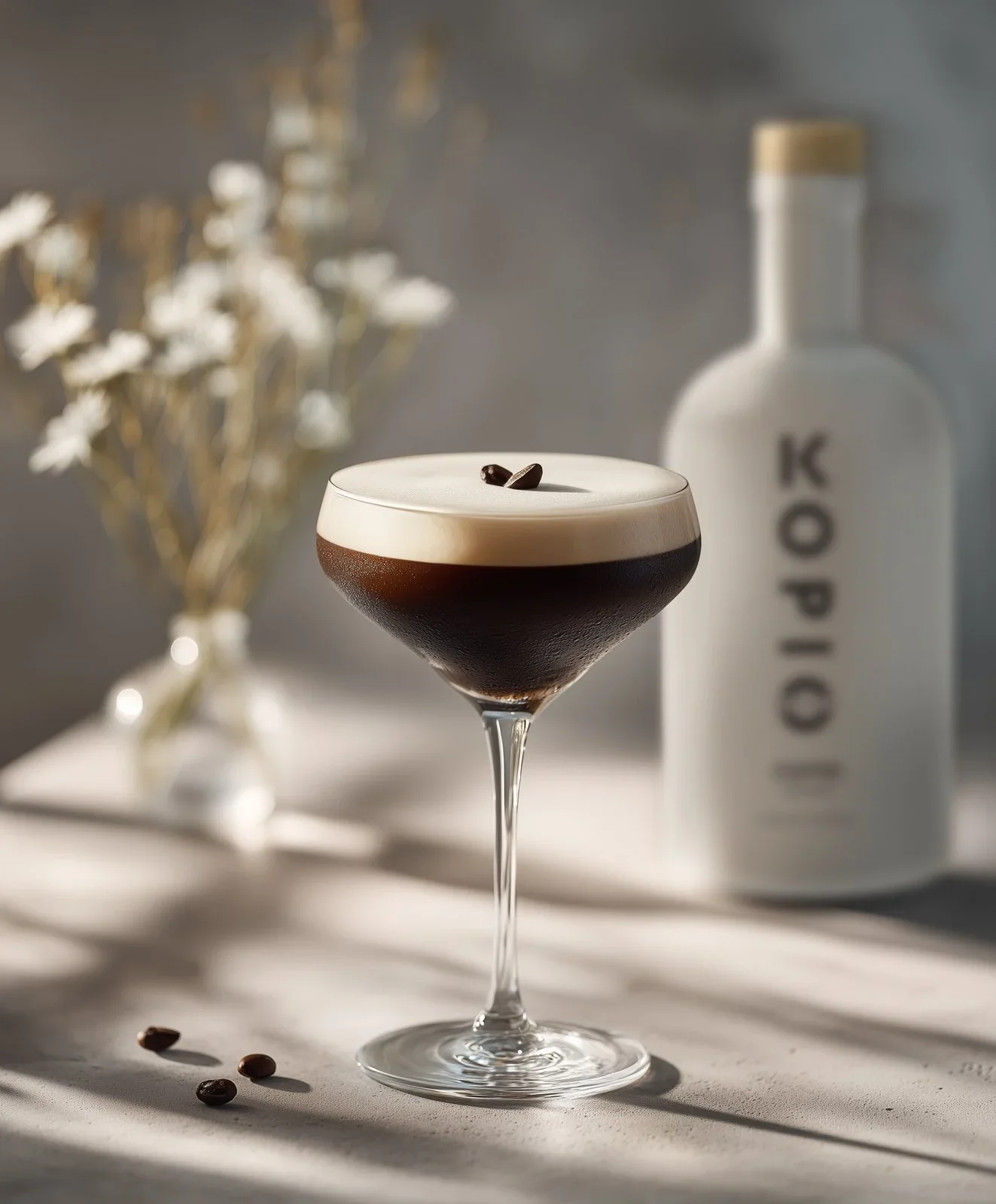
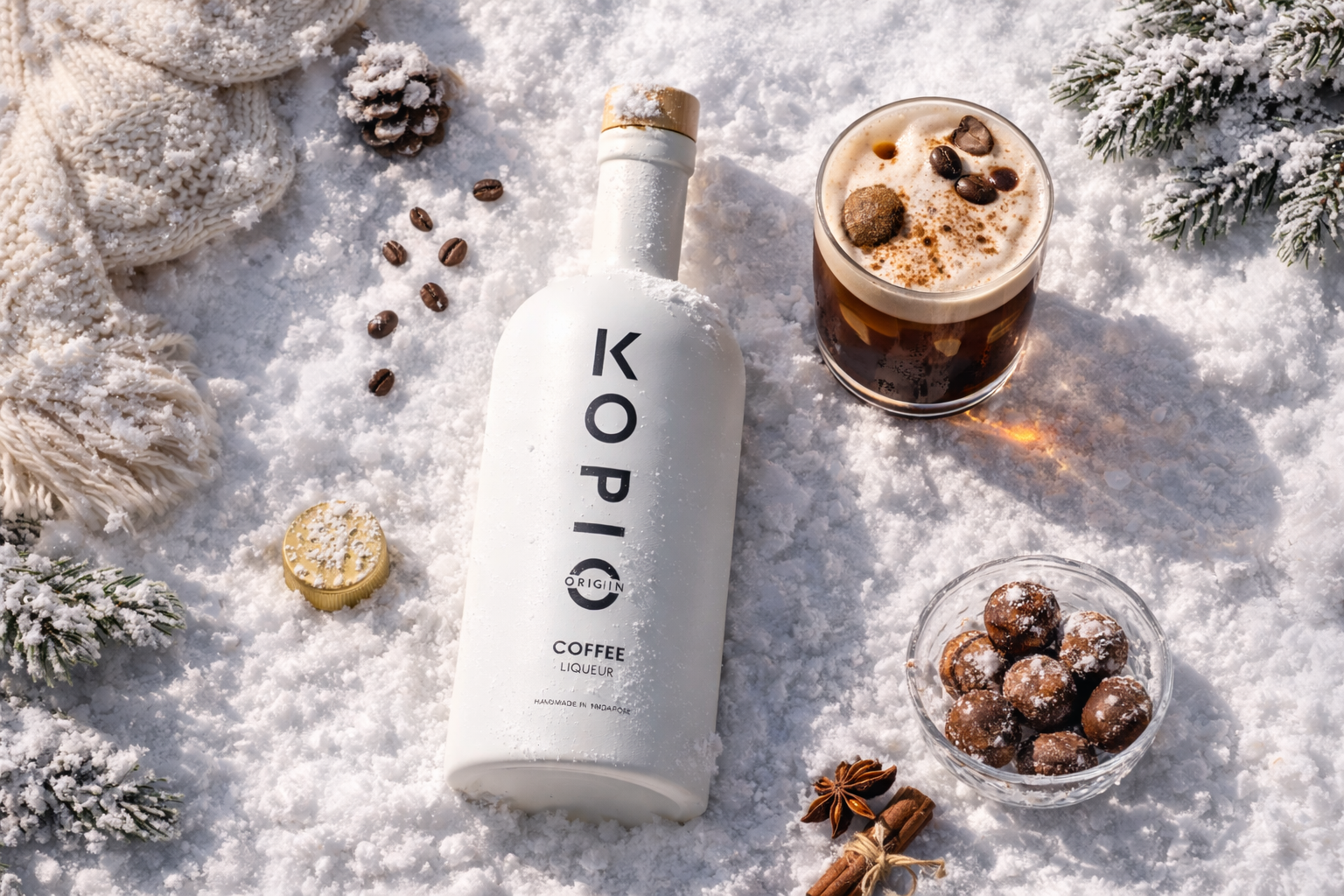
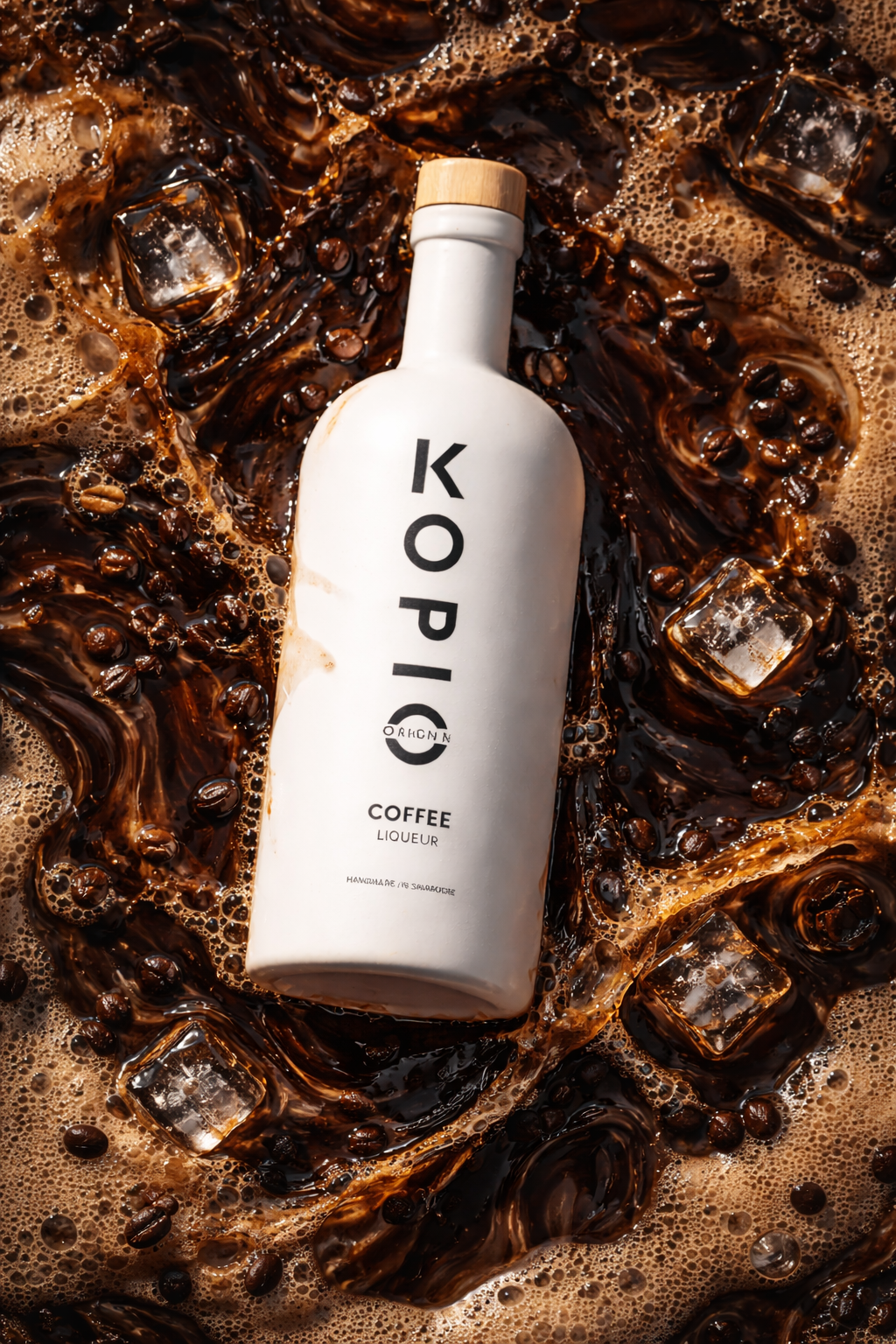
This performance-first thinking is why KopiO has gained traction among bars that value consistency.
KopiO was designed with a clear structural framework. Its sweetness is calibrated to support the coffee profile rather than dominate it. The alcohol content provides lift and clarity, keeping the palate engaged. Most importantly, the finish is clean and controlled, allowing the coffee character to fade naturally without heaviness.
This makes KopiO adaptable. It holds its shape in cocktails, stays present when paired with milk or cream, and remains enjoyable when served neat. That structural reliability is what professionals notice over time.
Its design philosophy aligns closely with the broader editorial lens of The Drink Journal, where ingredients are assessed by how they behave, not how loudly they announce themselves.
For those interested in KopiO’s background and application, more detail can be found at Origin Crafted KopiO, along with insight into its development approach at Studio Origin and its role in professional programs through Trade & Retail.
A Moment for Deeper Exploration
If you enjoy analysing drinks beyond surface flavour, the wider archive at The Drink Journal recipe collection offers useful context on how structure and finish influence modern cocktails.
The Takeaway
Structure determines how a coffee liqueur behaves. Finish determines how it is remembered.
Together, they separate functional, bar-ready coffee liqueurs from those designed purely for novelty. As coffee cocktails continue to mature, these quieter qualities will matter more than ever.
Final Thoughts in the Glass
A great coffee liqueur does not rush the experience. It opens with balance, holds its shape through the sip, and leaves the palate clean and ready for what comes next. That is not an accident. It is design.