
Espresso vs Ristretto: What Is the Difference?
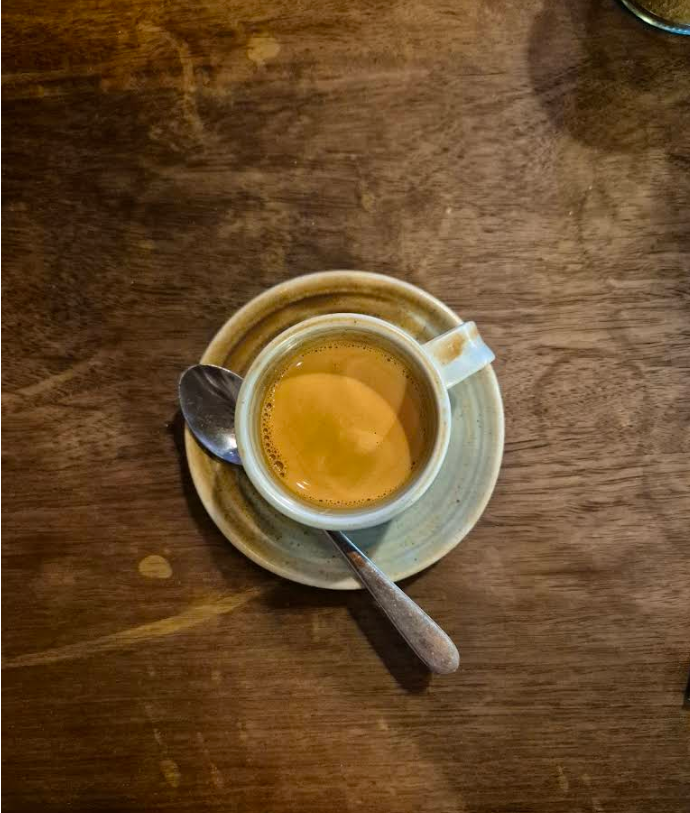
Espresso and ristretto begin with the same ingredients, equipment and brewing method, but they produce noticeably different experiences. Espresso offers a balanced, familiar expression of the coffee, while ristretto uses less water to create a smaller, more concentrated drink with greater sweetness and body.
Espresso and ristretto can appear nearly identical when placed beside one another. Both are compact coffee drinks prepared by forcing hot water through finely ground coffee under pressure. Both are served without milk, usually in small ceramic cups, and both form the foundation of many drinks found throughout contemporary café culture.
Their difference lies primarily in extraction. A ristretto uses less water and ends sooner, capturing the earlier portion of the espresso extraction. That seemingly small change alters the volume, aroma, texture and flavour of the finished drink.
Espresso and Ristretto at a Glance
- Usually around 25 to 30 millilitres
- Longer extraction than ristretto
- Balanced sweetness, acidity and bitterness
- More familiar and widely available
- Usually around 15 to 20 millilitres
- Shorter extraction using less water
- Fuller texture and concentrated sweetness
- Smaller, richer and often more aromatic
What Is Espresso?
Espresso is a brewing method rather than a particular type of coffee bean. Finely ground coffee is placed inside a portafilter, compressed into an even bed and brewed under pressure. The resulting drink is small but intense, with a layer of aromatic crema resting on its surface.
A well-prepared espresso should not simply taste strong. It should express the coffee's sweetness, acidity, body and bitterness in a relatively balanced way. Its flavour changes according to the bean, roast, grind, brewing temperature and the choices made by the barista.
Espresso also sits at the centre of drinks such as the latte, cappuccino, flat white and affogato. It can also appear in chilled preparations and modern coffee cocktails, giving it a reach far beyond the traditional demitasse.
What Is Ristretto?
The word ristretto means restricted in Italian. In practical terms, it refers to a restricted espresso extraction. The barista uses a similar quantity of ground coffee but allows less water to pass through it, producing a smaller final drink.
The early portion of an espresso extraction tends to contain many aromatic and readily soluble compounds. By stopping the shot sooner, the ristretto can emphasise sweetness, fragrance and syrup-like body while reducing some of the bitterness that emerges later.
This does not mean every ristretto is automatically sweeter or better. Coffee preparation depends on the bean and recipe. Some coffees become beautifully concentrated as ristretto, while others lose the balance and clarity they display as espresso.
Which Shot Suits Your Taste?
Choose the quality you value most.
The Main Differences
Volume and extraction
Espresso is brewed with more water and allowed to run for longer. Ristretto stops earlier and produces a smaller drink. Exact numbers differ between cafés because modern baristas often work with weight ratios rather than fixed volumes.
Flavour
Espresso usually presents a wider flavour arc. Sweetness appears first, followed by acidity, deeper roasted notes and bitterness. Ristretto concentrates the earlier part of that arc, often resulting in a sweeter and less bitter impression.
Body
Ristretto commonly feels denser and more syrupy. Espresso tends to feel slightly more open and complete, although body will also depend heavily on the coffee and brewing recipe.
Caffeine
Ristretto tastes more concentrated, but it does not necessarily contain more caffeine. Because less water passes through the coffee and the extraction ends earlier, a single ristretto may contain slightly less caffeine than a comparable espresso. The difference is normally modest, and cafés frequently serve ristretto as a double shot.
Continue the Coffee Trail
Explore coffee beyond the espresso machine
Compare concentrated coffee with the clarity of Japanese iced coffee, or explore how espresso changes when it becomes part of a dessert, cocktail or liqueur.
Which One Should You Order?
Order espresso when you want to understand the coffee as the café intended it. Its longer extraction offers a broader representation of the bean and is often the better choice for identifying acidity, roast character and finish.
Order ristretto when you prefer a smaller, richer drink with greater emphasis on sweetness and texture. It can be particularly appealing when prepared with medium or darker roasts that produce chocolate, caramel or nut-like flavours.
Ristretto is also sometimes used as the base of milk drinks. The concentrated shot can maintain its character beneath steamed milk without introducing as much bitterness. However, cafés differ in how they define and prepare it, so two ristrettos may not be directly comparable.
The Final Verdict
Espresso is the more balanced and revealing of the two, while ristretto is the more concentrated and textural. Neither is inherently superior. They simply emphasise different moments within the same extraction.
For someone new to drinking coffee without milk, espresso is usually the clearest place to begin. Once that flavour becomes familiar, ristretto offers an instructive comparison: the same coffee, prepared through the same machine, transformed by a shorter encounter with water.
That ability to create distinct experiences through small technical choices is central to the wider culture documented by The Drink Journal. It can also be seen in modern coffee products such as Kopi-O, where roasted coffee character is translated into a different drinking format, and in TDJ's editorial exploration of coffee liqueur in the modern bar.
One More Pour
Follow the people and places shaping modern drinks
Discover more coffee stories, techniques and drinking traditions through TDJ's global editorial journal.
Frequently Asked Questions
Is ristretto stronger than espresso?
Ristretto usually tastes stronger because it is more concentrated and has less water. However, a single ristretto does not necessarily contain more caffeine than a standard espresso.
Does ristretto use less coffee?
Not usually. A barista may use the same quantity of ground coffee as an espresso but stop the extraction earlier, resulting in a smaller drink.
Is ristretto less bitter than espresso?
It often is. Many bitter compounds emerge later in the extraction, so ending the shot sooner can produce a sweeter and less bitter flavour.
Can ristretto be used in a latte?
Yes. Some cafés use ristretto shots in milk drinks because their concentrated sweetness and fuller body can remain noticeable beneath steamed milk.
Which drink has more caffeine?
A standard espresso will often contain slightly more caffeine than a single ristretto because more water passes through the coffee. Serving size and café recipes can change the result.
 Nicholas lin
I own Restaurants. I enjoy Photography. I make Videos. I am a Hungry Asian