Sweet, Sour, Bitter, Strong: Understanding Cocktail Balance Made Simple
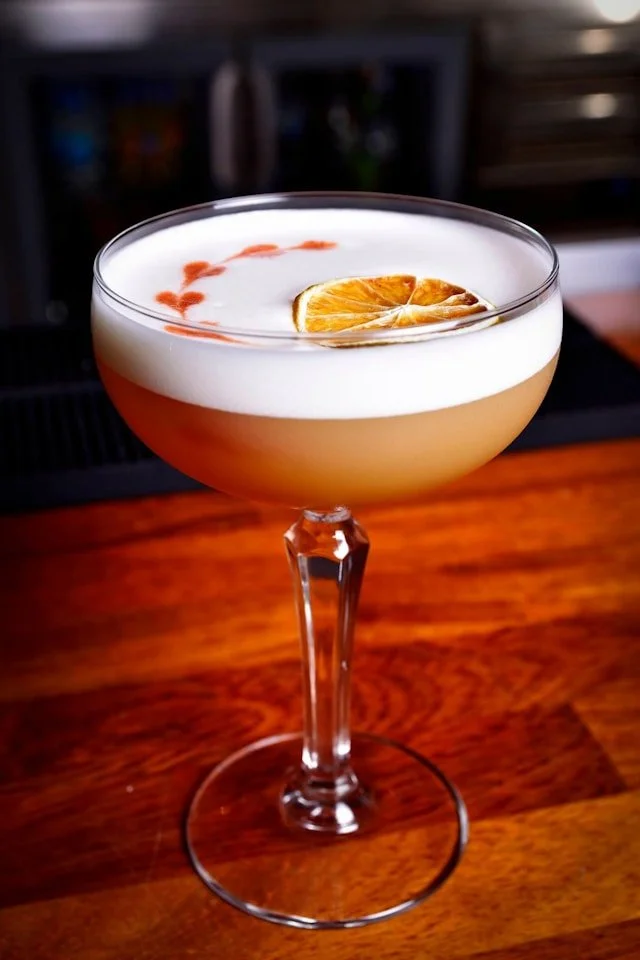
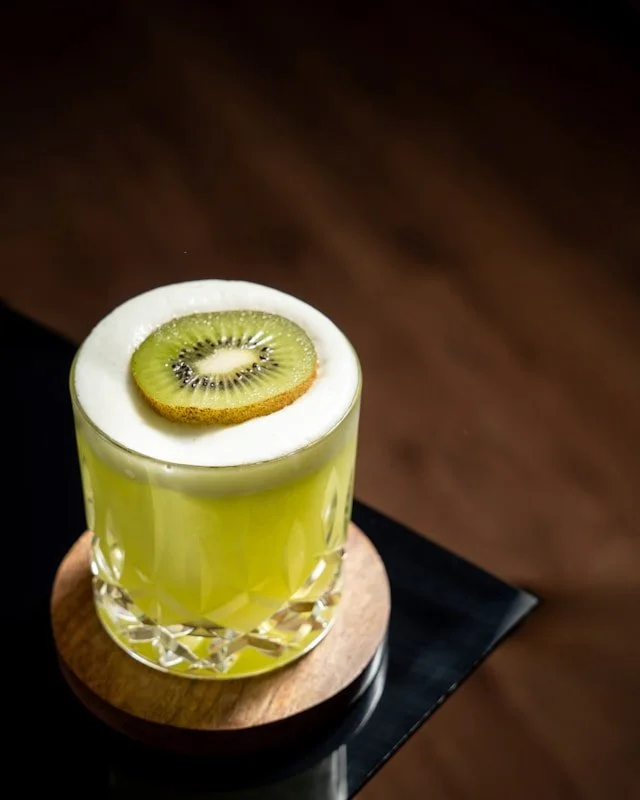

If you’ve ever taken a sip of a cocktail and thought, “Wow, that just works,” what you’re tasting isn’t luck. It’s balance. Behind every great drink is a simple structure — sweet, sour, bitter, strong — working quietly together. Once you understand this, cocktail menus stop feeling complicated. They start making sense.
At The Drink Journal, we believe balance is the language behind every well-made drink.
The Four Pillars of Cocktail Structure
Most classic cocktails can be broken down into four elements:
Sweet – Sugar, syrups, liqueurs.
Sour – Citrus, usually lemon or lime.
Bitter – Bitters, amari, or the natural bitterness of certain spirits.
Strong – The base spirit: whiskey, gin, rum, tequila.
You don’t need to memorise recipes. You only need to recognise how these elements interact.
When one dominates, the drink feels off. When they’re aligned, the drink feels complete.
The Sweet–Sour Framework (The Easiest Starting Point)
The simplest way to understand balance is through a sour-style cocktail.
The Whiskey Sour is a perfect example:
Whiskey (strong)
Lemon juice (sour)
Simple syrup (sweet)
Remove sweetness, and it’s harsh.
Remove acidity, and it’s flat.
Overdo either, and the drink loses structure.
Balance isn’t about equal parts. It’s about harmony.
Where Bitterness Enters
Bitterness adds depth.
Think of bitters as seasoning — like salt in cooking. You don’t necessarily taste it directly, but without it, something feels missing.
Many stirred classics rely on bitterness to counter sweetness and highlight the spirit. It’s subtle, but it’s crucial.
When bitterness is overused, the drink becomes aggressive. When used correctly, it adds sophistication.
Dilution: The Hidden Fifth Element
Here’s something beginners rarely consider: water.
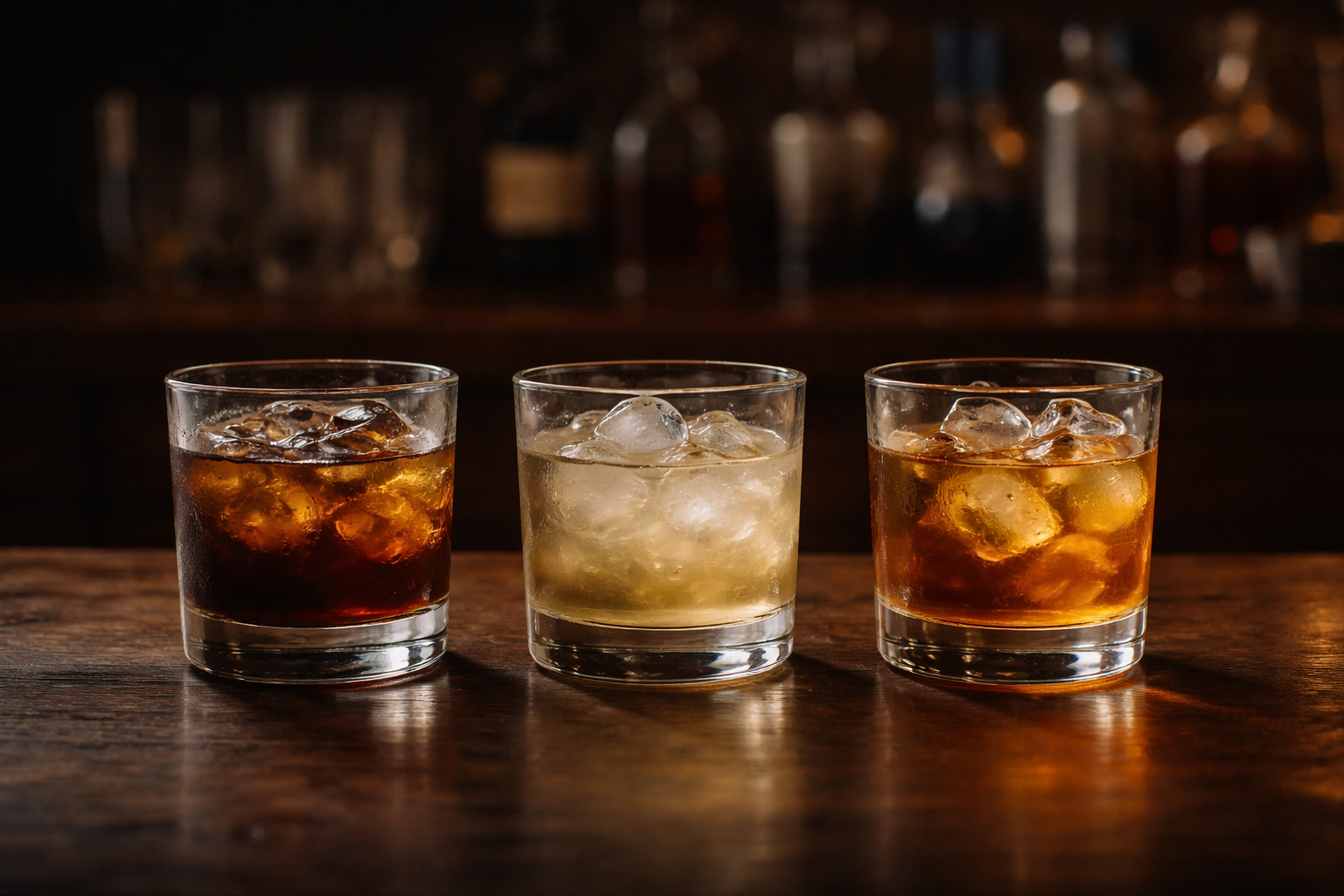
Ice doesn’t just chill. It dilutes. And dilution softens alcohol, integrates flavours, and changes texture.
This is why technique matters. It’s also why the same cocktail can taste different in different bars — something we discuss further in The Ultimate Guide to Bar Etiquette for Guests and Bartenders when exploring the craft behind the counter.
Balance Is Visual Too
Before you sip, you see.
Presentation influences expectation. A clean garnish, a precise citrus twist, or a smooth foam top prepares your senses.
In The Art of Garnishing: Elevating the Cocktail Experience, we explore how aroma and visual detail subtly enhance balance.
A cocktail is never just liquid. It’s sensory design.
Is This the Right Drink for the Moment?
Not every cocktail fits every crowd. Explore flavor profile, occasion suitability, batching potential, and guest appeal before you commit to serving it
Once You See the Pattern, You Can Order Smarter
Understanding sweet, sour, bitter, strong gives you vocabulary.
Instead of saying, “I don’t know what I like,” you can say:
“I prefer something not too sweet.”
“I like citrus-forward drinks.”
“I want something spirit-forward and less sugary.”
Much like learning how to read a café menu — as we covered in How to Read a Coffee Menu Like a Local Anywhere in the World — once you understand structure, confidence follows.
Balance becomes visible.
Why It Still Matters
Classic cocktails endure because they respect structure.
When you explore the philosophy behind The Drink Journal and our story in About TDJ, you’ll notice a pattern: we focus on fundamentals.
Trends come and go.
Balance remains.
The next time you take a sip, pause.
Is it sweet?
Is it bright?
Is bitterness supporting or overpowering?
Is the spirit integrated?
You’re not just drinking anymore.
You’re understanding.
FAQ — Cocktail Balance Made Simple
1. Do all cocktails follow the sweet–sour–bitter–strong formula?
Not strictly, but most classics rely on some variation of these elements for structure.
2. Why do some cocktails taste too sharp?
Often there’s too much acid (sour) or not enough sweetness to balance it.
3. What makes a cocktail feel “smooth”?
Proper dilution and balanced sweetness. Alcohol should integrate, not dominate.
4. Is bitterness necessary in every drink?
Not always, but even small amounts can add depth and complexity.
5. How can beginners train their palate?
Start with classics like a Whiskey Sour. Notice how sweet and sour interact. Then try spirit-forward drinks and compare the structure.
More Cocktails, More Cocktail Bars