How to Order a Cocktail at a Bar Without Feeling Awkward
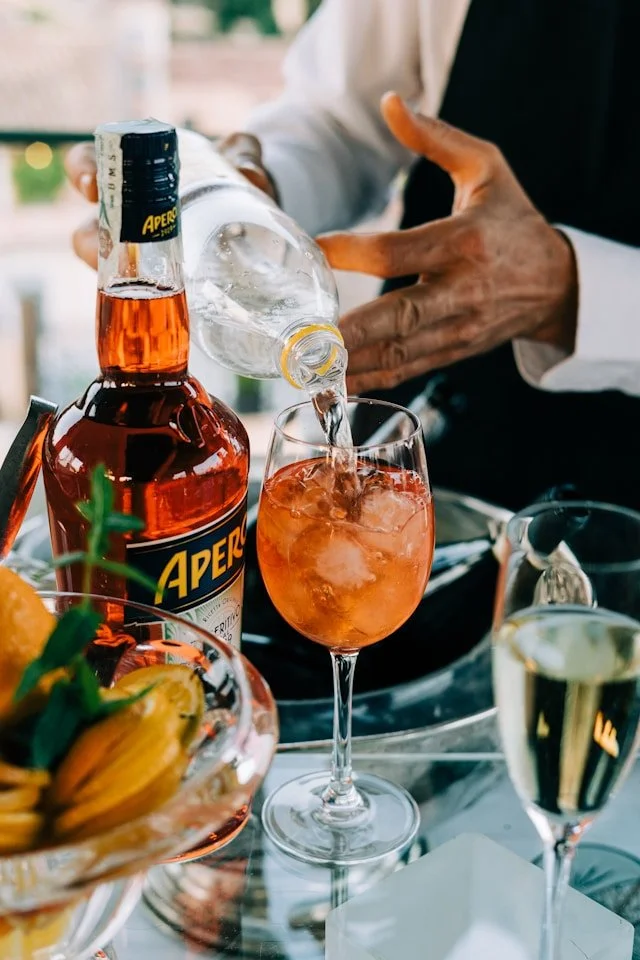
For many people, the most intimidating part of going to a cocktail bar is not the menu or the drinks. It is the moment of ordering. The quiet pause. The sense that everyone else knows what to say. The fear of asking the wrong question or sounding inexperienced.
The truth is simple. Ordering a cocktail is not a performance. It is a short conversation, and good bars are built to support it. Once you understand what bartenders listen for and what they do not care about at all, the awkwardness dissolves quickly.
This guide is written in the same spirit that runs through The Drink Journal. Calm, observant, and focused on experience rather than expertise.
Start by Letting Go of the Idea That You Need to Know the Answer
Many people approach the bar already assuming they are behind. That assumption creates tension before a word is spoken.
Bartenders do not expect guests to know drink names, ratios, or spirits. What they listen for is intention. Are you looking for something refreshing or something contemplative. Something light or something grounding. Something familiar or something new.
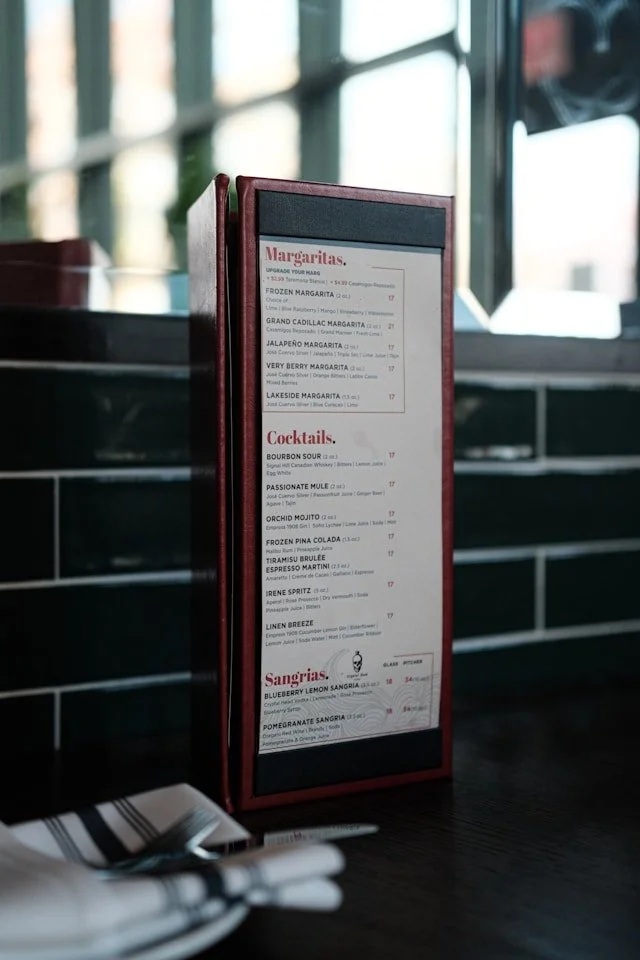
If you want to understand how menus are designed to support this exact moment, it helps to read How to Read a Cocktail Menu When You Don’t Recognise Half the Drinks. Menus are cues, not tests.
Order by Preference, Not by Vocabulary
The easiest way to order without feeling awkward is to describe what you enjoy, not what you think you should say.
You can say that you usually like citrusy drinks, or that you prefer something not too sweet, or that you enjoy bitterness when it is balanced. These descriptions are more useful to a bartender than naming a drink you are unsure about.
If you enjoy classics, using one familiar reference is often enough. Mentioning something like a Whiskey Sour immediately signals balance, acidity, and approachability. Referencing a Negroni suggests comfort with bitterness and structure. Even if you do not order those exact drinks, they act as anchors for the conversation.
Trust the Bartender’s Questions
When a bartender asks follow up questions, it is not a challenge. It is calibration.
They may ask how strong you want the drink, whether you enjoy bitterness, or if you are in the mood for something stirred or shaken. These questions narrow the field quickly and help avoid disappointment.
At thoughtful bars like Penicillin in Hong Kong, this exchange is considered part of the experience. The goal is not speed. It is alignment.
Short answers are enough. You do not need to justify your preferences or explain your background.
You Are Allowed to Ask for Guidance
One of the most persistent myths about cocktail bars is that asking for help reveals inexperience. In reality, it signals trust.
Asking what the bartender enjoys making, what the menu leans toward tonight, or what they would recommend based on your mood opens the door to better drinks. It also removes pressure from you to decide perfectly.
If you want to understand the unspoken rules that govern these exchanges, The Ultimate Guide to Bar Etiquette for Guests and Bartenders explains why good service is collaborative, not hierarchical.
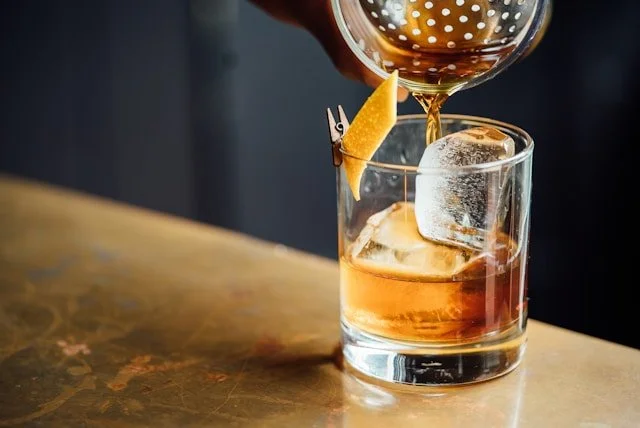
Is This the Right Drink for the Moment?
Not every cocktail fits every crowd. Explore flavor profile, occasion suitability, batching potential, and guest appeal before you commit to serving it.
Avoid Over Explaining
One of the fastest ways to create awkwardness is to over talk.
You do not need to apologise for not knowing the menu. You do not need to explain why you dislike certain spirits. You do not need to tell your entire drinking history.
A few clear preferences are enough. Let silence do some of the work. Bartenders are trained to read pauses and adjust.
If You Want Something Familiar, Say So Clearly
There is no virtue in ordering something adventurous if you are not in the mood for it.
If you want something comforting, classic, or recognisable, saying so saves everyone time. Many bars reinterpret classics in subtle ways, and you can still experience the bar’s point of view without stepping outside your comfort zone.
Understanding how modern bars build on familiar structures is explored in 20 Must-Try Modern Classics, which shows how innovation often lives inside tradition rather than replacing it.
Remember That Glassware, Ice, and Pace Are Handled for You
Part of the anxiety around ordering comes from worrying about details that are not your responsibility.
You do not need to know which glass suits which drink. You do not need to request a specific ice format. You do not need to manage dilution or balance. Those decisions belong to the bar.
If curiosity strikes later, guides like How to Choose the Right Glass for Any Cocktail can deepen appreciation, but they are not prerequisites for ordering well.
Awkwardness Fades the Moment You Slow Down
The final secret is pace.
Ordering feels awkward when it is rushed. When you take a breath, read the room, and speak simply, the interaction settles. Good bars are built around this rhythm. Calm voices, measured movement, and attention rather than urgency.
Once you experience this a few times, ordering becomes one of the most enjoyable parts of going out. It is the moment where the evening begins to take shape.
Continue Exploring
If you want to deepen your comfort at the bar, you may enjoy learning How to Read a Coffee Menu Like a Local Anywhere in the World, which applies the same principles of confidence and observation in a different setting.
For more guides that focus on ease, ritual, and thoughtful drinking, return to The Drink Journal and explore at your own pace.