How to Store Tea So It Keeps Its Aroma and Freshness
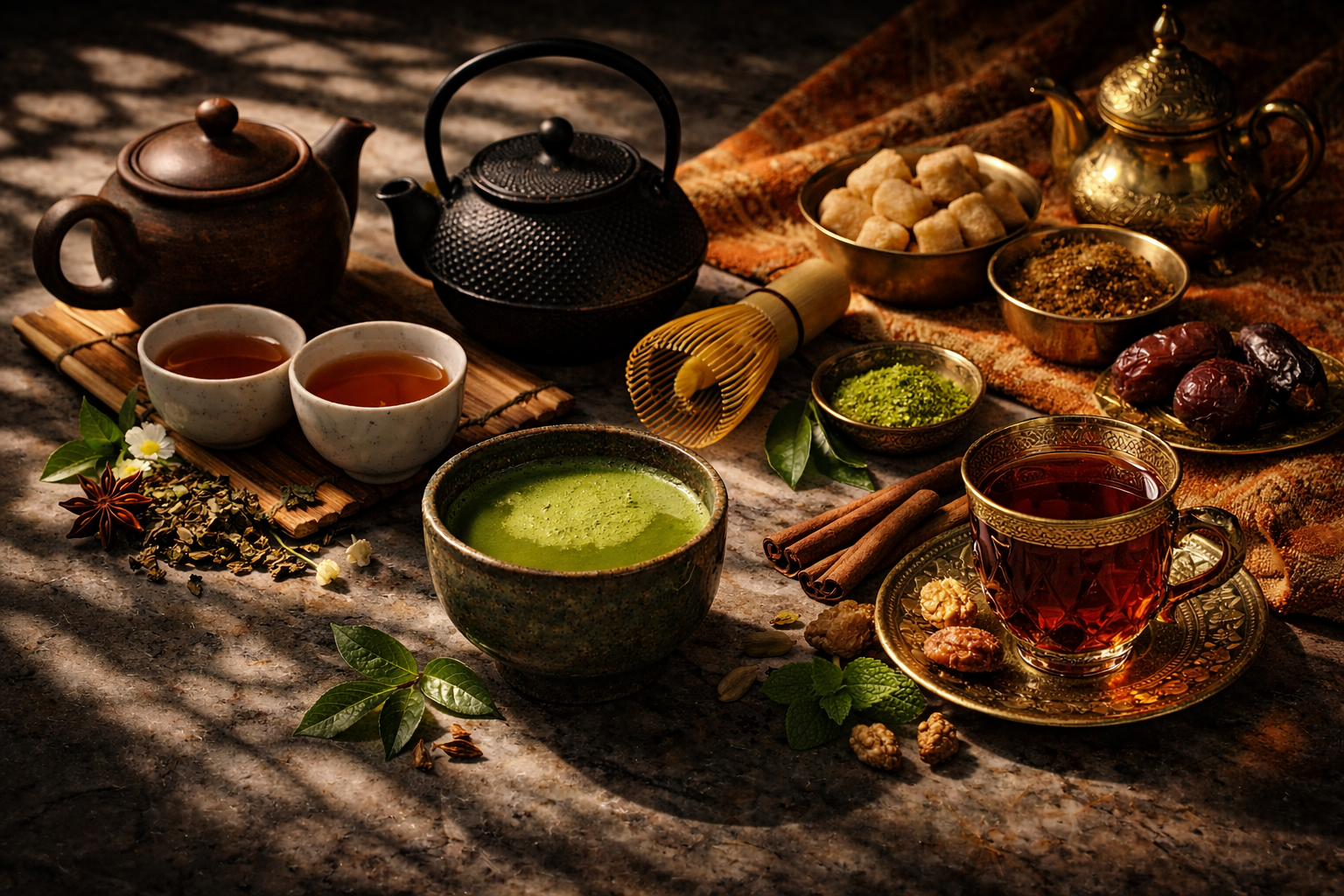
Good tea does not fade all at once. It disappears quietly.
The florals soften. The sweetness thins. The aroma that once lifted from the cup becomes flat and indistinct. When this happens, the tea has not suddenly gone bad — it has simply been stored without protection.
Tea is fragile. It absorbs odours, reacts to light, and deteriorates when exposed to air and humidity. Stored well, it can remain expressive and layered for months, sometimes years. Stored poorly, even exceptional tea loses its voice.
This guide shows how to store tea properly, without specialised equipment or obsessive habits — just clear principles and small, deliberate choices, in the spirit of The Drink Journal.
Why Tea Loses Aroma Faster Than You Expect
Tea leaves are dry, but they are not inert. Their porous structure continues to interact with the environment long after processing.
The main enemies of tea are air, light, moisture, heat, and surrounding smells. Exposure to any one of these slowly dulls aroma. Exposure to several at once accelerates the process dramatically.
This is why a tea that smells vibrant when first opened can feel muted after only a few weeks if stored casually.
If you’re interested in how different tea styles respond to oxidation and processing, The Art of Asian Tea: 12 Traditional Tea Styles Every Drinker Should Know provides useful context.
Choose the Right Container Before Anything Else
The container matters more than the location.
Tea should be stored in airtight, opaque containers. Light exposure degrades aromatic compounds, and air exchange causes gradual staling.
Avoid clear glass jars unless they are kept inside a dark cupboard. Decorative tins are fine only if they seal well. Loose lids defeat the purpose entirely.
If you drink multiple teas regularly, store them separately. Tea absorbs surrounding smells easily — floral teas, smoky teas, and spiced blends should never share airspace.
Keep Tea Away From the Kitchen’s Heat and Humidity
The kitchen feels convenient, but it is rarely ideal.
Steam, fluctuating temperatures, and cooking aromas all shorten tea’s lifespan. Even when stored in sealed containers, repeated exposure to warm, humid air during cooking takes a toll.
A cool cupboard away from the stove, oven, or dishwasher is far better. Bedrooms, home offices, or dedicated tea drawers often provide more stable conditions.
If you live in a humid climate, this becomes even more important. Moisture is one of the fastest ways to flatten flavour.
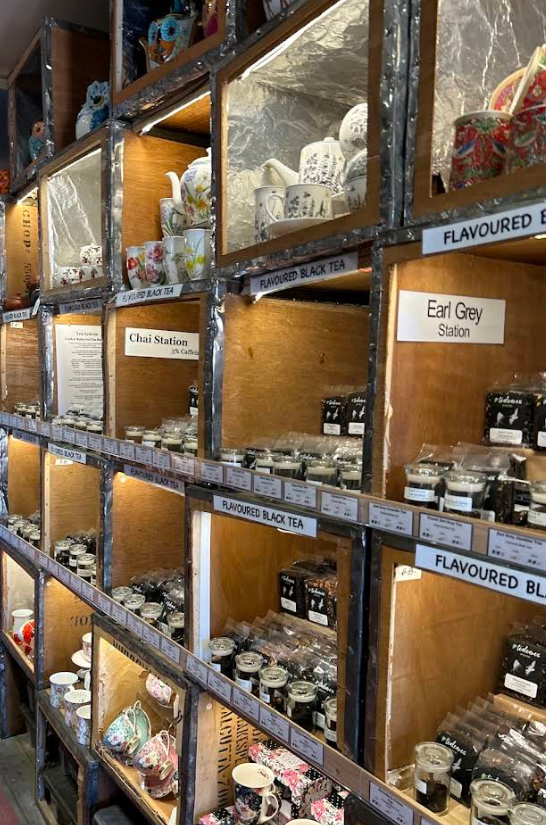
Different Teas, Different Sensitivities
Not all teas age the same way.
Delicate teas like green, white, and lightly oxidised oolongs lose aroma fastest and should be consumed sooner. Teas such as Sencha or Jasmine Silver Needle benefit from careful storage and relatively quick enjoyment.
More robust teas — darker oolongs, black teas like Assam, and certain fermented styles — tolerate time better, though they still require protection from moisture and odours.
Understanding these differences helps you decide which teas deserve the most care and which are more forgiving.
Avoid the Refrigerator (Almost Always)
Refrigeration is often suggested, but it introduces more problems than it solves.
Condensation forms when tea is removed from cold storage, exposing leaves to moisture. Refrigerators also carry strong odours that tea absorbs quickly.
Unless tea is professionally vacuum-sealed — which most home storage is not — room-temperature storage in stable conditions is safer and more consistent.
Buy in Quantities You Can Finish Comfortably
One of the simplest storage strategies is restraint.
Buying large quantities of tea may feel economical, but it often leads to flavour loss before the leaves are finished. Smaller, fresher purchases ensure better aroma over time and allow you to rotate styles without hoarding.
If you enjoy exploring different profiles, The Modern Tea Lover’s Guide: Floral, Fruity, Smoky, and Fermented Teas Explained can help you choose teas aligned with how quickly you actually drink them.
Handle Tea Gently and With Intention
How you access your tea matters.
Avoid leaving containers open longer than necessary. Use dry utensils. Never scoop tea with damp hands or spoons. These small moments of care compound over time.
Think of storage as part of the brewing ritual, not a separate chore. When tea is handled calmly and deliberately, it stays expressive far longer.
When Tea Still Tastes Flat
If a tea has lost aroma despite good storage, all is not necessarily lost.
Adjusting brewing parameters can sometimes recover balance. Lowering water temperature or shortening steep time often reveals remaining sweetness without amplifying dullness. Sometimes, choosing a tea with naturally stronger aromatics also helps reset your palate, especially if you rotate between different styles.
If you want a clearer sense of how processing affects flavour intensity and why certain teas fade faster than others, revisit The Modern Tea Lover’s Guide: Floral, Fruity, Smoky, and Fermented Teas Explained. For a practical tasting reference, brewing a clean, expressive tea like Sencha can help you recalibrate what “fresh” and “bright” should feel like.
Storing Tea Is an Act of Respect
Proper storage is not about perfection. It is about preservation of intention — allowing the tea to taste as it was meant to when it was chosen.
When aroma stays intact, brewing becomes easier. When flavour remains clear, the tea asks less of you.
That quiet consistency is what turns tea from something you drink into something you return to.
Continue Exploring
You may enjoy exploring how different traditional tea families behave over time through The Art of Asian Tea: 12 Traditional Tea Styles Every Drinker Should Know. If you want a gentle way to train your nose again, try revisiting a naturally fragrant tea such as Rose Tea or a more layered oolong like Dong Ding Oolong and notice what rises from the cup as it cools.