A Thoughtful Take on Coffee Liqueur: Reviewing Kopi-O at The Drink Journal
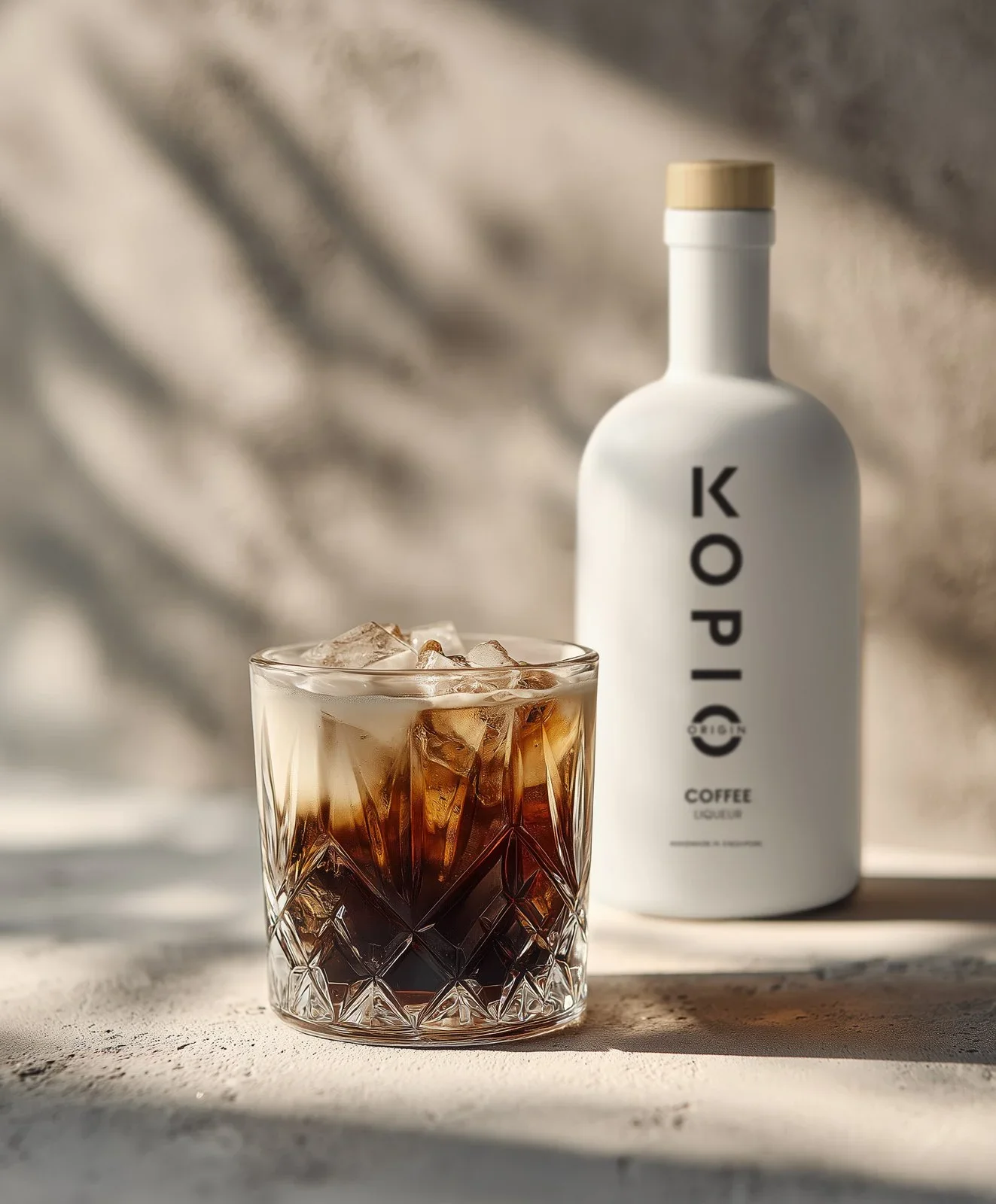
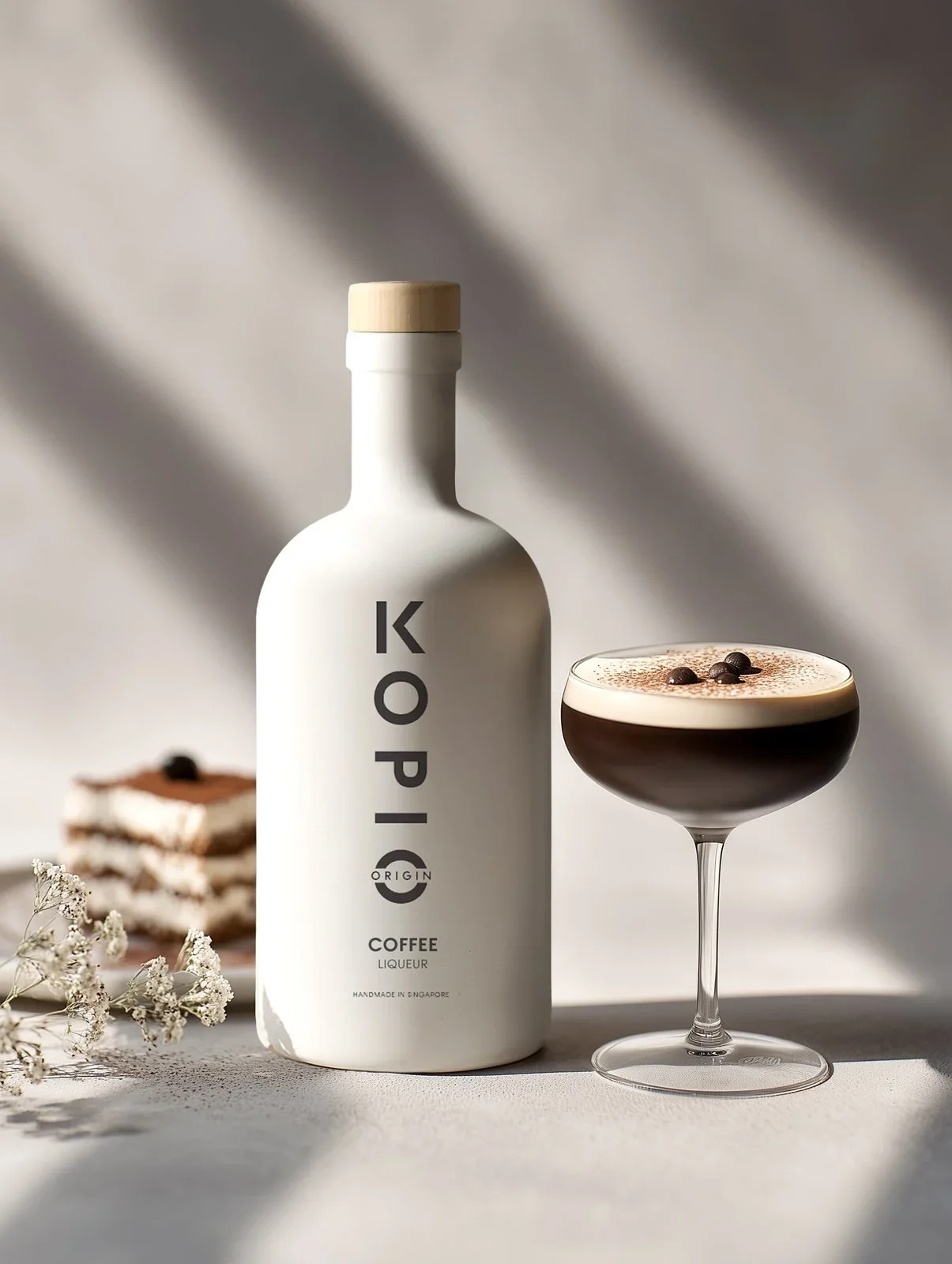
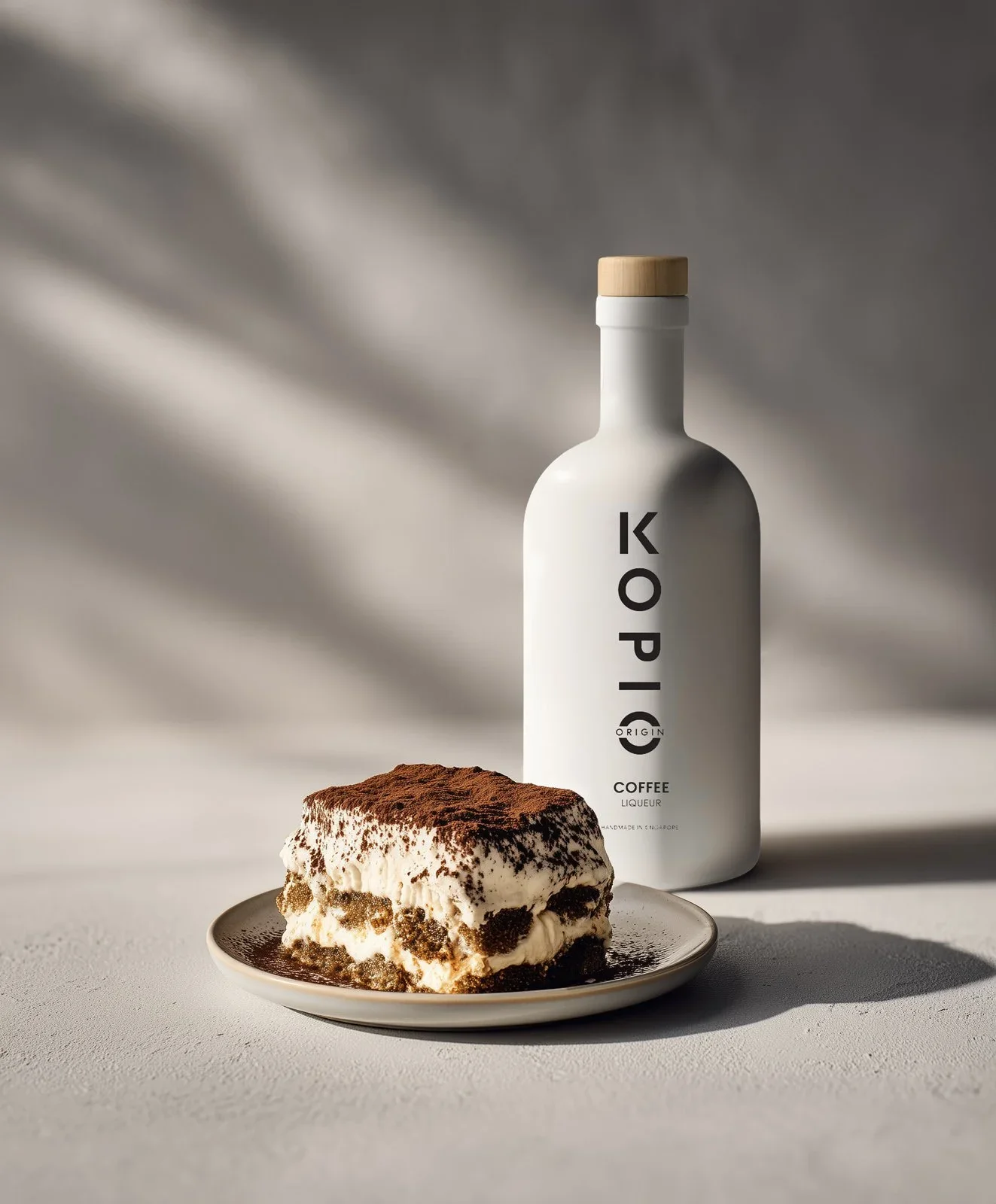

At The Drink Journal, reviewing a spirit is rarely about chasing hype. The focus has always been on how a drink fits into the broader culture of bars, cafés, and hospitality. With coffee liqueur, that lens matters even more. It is a category crowded with bold claims and exaggerated sweetness, yet surprisingly short on nuance.
Kopi-O invites a different kind of review. It rewards patience, attention, and context. Rather than demanding a verdict in the first sip, it opens a conversation about how coffee liqueur should behave in a modern setting.
First impressions that feel grounded
The initial impression of Kopi-O is not theatrical. There is no rush of sugar or artificial aroma. What comes through instead is a clear, recognisable coffee presence. The nose is direct and familiar, closer to brewed coffee than dessert. That alone sets it apart from many peers in the category.
On the palate, the balance feels deliberate. Sweetness is present but restrained. Bitterness is measured rather than aggressive. The texture sits comfortably in the mouth without heaviness. It tastes edited, as though unnecessary elements have been removed rather than added.
This sense of clarity aligns with the way The Drink Journal approaches drinks writing. We tend to gravitate toward venues and products that value intention over excess. Stories like Vesper Bangkok reflect that same philosophy, where flavour is allowed to speak without distraction.
How it performs beyond the tasting glass
A coffee liqueur rarely lives or dies on neat tasting alone. Its real test is application. In this respect, Kopi-O performs with quiet confidence. It integrates smoothly into coffee-forward cocktails without pulling the drink toward sweetness. It complements darker spirits without disappearing. It can even sit comfortably over ice as a light after-dinner option.
This adaptability is why Kopi-O makes sense in the kind of bars The Drink Journal frequently documents. From focused cocktail rooms to café-bar hybrids, modern venues value ingredients that work across formats. Kopi-O behaves like a tool rather than a showpiece.
That same crossover sensibility appears in places like The Fitz Café & Rooftop Bar in Melbourne, where coffee culture and cocktail craft overlap naturally. Kopi-O feels at home in that space between cup and glass.
A review shaped by context, not comparison
It is tempting to review coffee liqueur by stacking bottles side by side. Yet doing so often misses the point. Kopi-O is not trying to out-sweet or out-intensify its counterparts. Its strength lies in restraint.
From a Drink Journal perspective, that restraint is meaningful. It reflects a broader shift in how bars think about flavour. Coffee is no longer treated as a novelty or a dessert crutch. It is treated as an ingredient with structure, bitterness, and aroma that deserves respect.
This respect for coffee echoes through many of the Journal’s coffee features and bar stories. Kopi-O feels less like a departure from that narrative and more like a natural extension of it.
If you enjoy reviews that consider how drinks live in real bars rather than on tasting tables alone, exploring the wider stories on The Drink Journal offers useful perspective.
Understanding the thinking behind the bottle
Part of what shapes Kopi-O’s character is the philosophy behind it. Origin Crafted approaches spirits with a focus on refinement rather than maximalism. That thinking is visible in the brand’s broader creative work at Studio Origin, where design and flavour development are treated as parallel processes.
For bars and hospitality groups, this clarity of intent matters. It signals that Kopi-O is built for long-term use rather than short-term attention. Through Origin Crafted’s trade and retail platform, it is positioned clearly as a professional option rather than a limited curiosity.
A measured conclusion
Reviewing Kopi-O at The Drink Journal leads to a simple conclusion. It is a coffee liqueur that understands its role. It does not try to dominate. It supports, integrates, and enhances.
In a category that often mistakes intensity for quality, Kopi-O chooses balance instead. That choice makes it relevant to modern bars, thoughtful kitchens, and drinkers who value clarity over excess.
It may not shout for attention, but it earns it.
To experience Kopi-O firsthand and form your own view, explore the spirit at Kopi-O here, then continue following how coffee and cocktails evolve through the ongoing stories and reviews on The Drink Journal.