20 Cocktail Garnish Tricks That Make Drinks Look Instantly Better
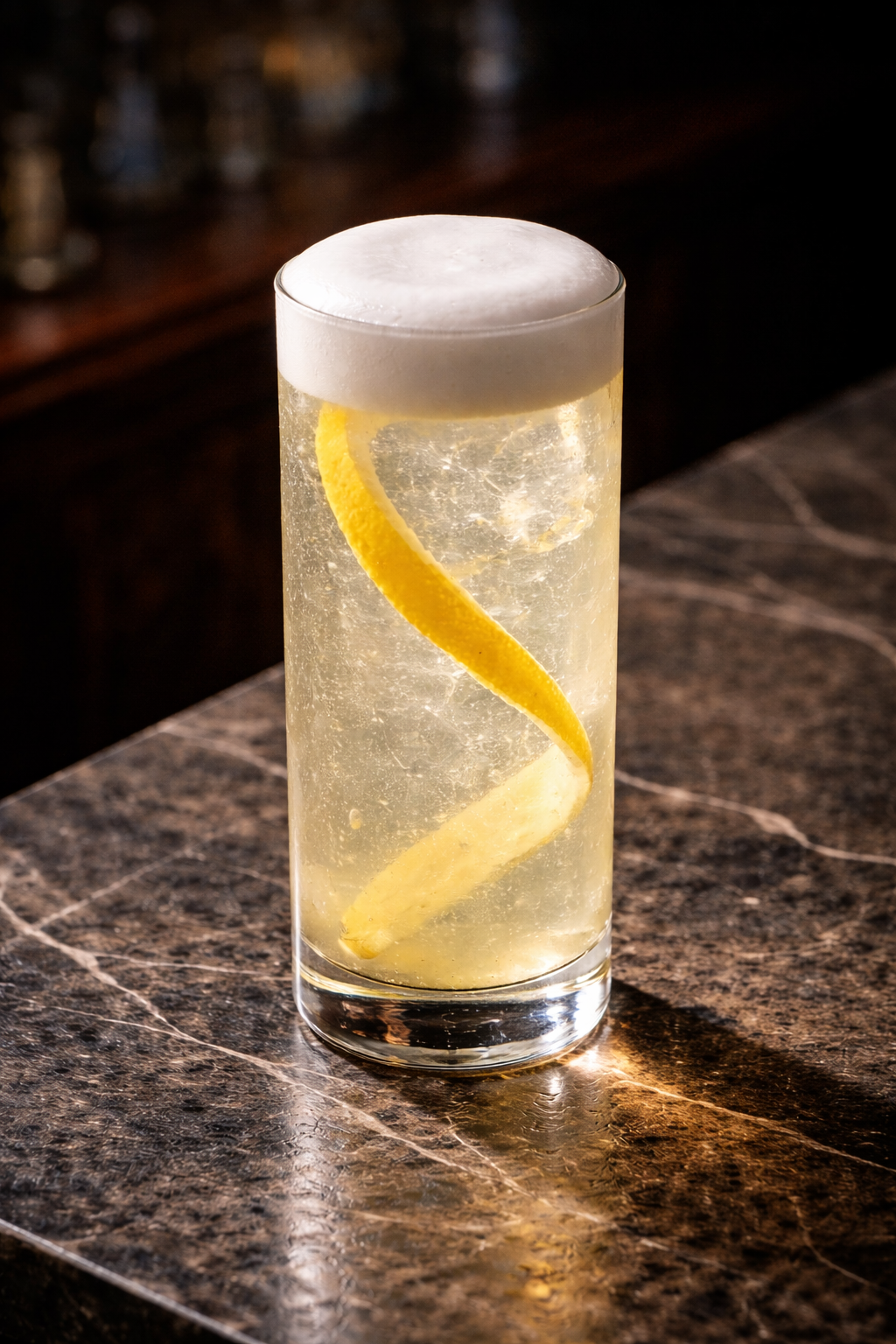
Garnishes are often treated as decoration, but in reality, they are part of the drink. A well-chosen garnish affects aroma, presentation, and even the way the first sip is experienced.
Many drinks that appear elegant in photographs are not complicated recipes. They simply use thoughtful finishing touches. A clean citrus peel, a well-placed herb, or properly prepared fruit can transform an otherwise ordinary drink into something memorable.
Much of this visual discipline is explored in guides like The Art of Garnishing: Elevating the Cocktail Experience, where small visual decisions create large visual impact.
Garnishes are rarely about excess. They are about intention.
The First Details Guests Always Notice
1. Always Use Fresh Garnishes
Wilted herbs or dry fruit slices weaken the drink before it is tasted. Fresh ingredients signal care.
Freshness communicates quality.
2. Match Garnish to Flavor
A garnish should reinforce the drink’s ingredients. Citrus pairs with citrus-based drinks. Herbs match herbal notes.
Harmony improves clarity.
3. Cut Garnishes Just Before Serving
Pre-cut garnishes dry quickly. Late preparation preserves aroma.
Timing protects freshness.
4. Avoid Overcrowding the Glass
Too many elements make the drink look cluttered. Simplicity often looks more elegant.
Restraint improves balance.
5. Choose Garnishes That Stay Stable
Sliding or sinking garnishes distract from presentation. Stability improves visual confidence.
Structure matters.
The Aromas That Arrive Before the First Sip
Before taste comes scent. Garnishes influence what guests smell before they drink.
Classic drinks demonstrate this clearly. The citrus oils used in drinks like the Cocktail Archive: Sidecar create a fragrant introduction before the liquid reaches the lips. Similarly, herbal accents seen in drinks like the Cocktail Archive: Gin & Tonic highlight how aroma shapes expectation.
Smell prepares the experience.
The Visual Techniques That Create Professional Results
6. Use Uniform Slices
Uneven cuts create inconsistency. Clean lines improve visual order.
Precision strengthens presentation.
7. Keep Edges Clean
Rough cuts distract from elegance. Smooth edges look deliberate.
Sharp tools improve outcomes.
8. Use Citrus Twists Instead of Thick Wedges
Twists create aroma without overwhelming the drink.
Light elements improve control.
9. Express Citrus Oils Over the Drink
Twisting peel above the surface releases fragrant oils.
Aroma enhances anticipation.
10. Position Garnishes Carefully
Placement matters. Off-center positioning often looks more natural than symmetrical layouts.
Movement improves visual interest.
11. Use Color Contrast Thoughtfully
Bright garnishes stand out against neutral drinks.
Contrast improves visibility.
12. Avoid Oversized Garnishes
Large elements can block the drinking experience.
Scale protects usability.
Batch Smarter, Serve Faster
Planning drinks for a party or event? Our Pre-Batch Calculator helps you scale recipes accurately, so every guest gets the perfect pour without the guesswork.
The Practical Habits That Improve Consistency
13. Store Garnishes Properly
Cold storage preserves freshness. Warm conditions accelerate deterioration.
Temperature protects quality.
14. Use Clean Hands or Tools
Fingerprints and residue weaken visual clarity.
Clean handling protects detail.
15. Replace Garnishes Frequently
Old garnish trays reduce overall quality.
Rotation maintains freshness.
16. Keep Garnish Sizes Consistent
Uniform shapes strengthen visual rhythm across multiple drinks.
Consistency builds reliability.
17. Practice Simple Garnish Cuts
Basic techniques often outperform complicated designs.
Simplicity supports efficiency.
18. Use Edible Elements Only
Non-edible decorations confuse guests.
Function improves clarity.
19. Consider Drink Temperature
Cold drinks preserve garnish structure longer.
Temperature influences stability.
20. Remove Imperfect Pieces Immediately
Small defects stand out under lighting.
Selective removal improves final appearance.
When Garnishes Become Part of the Story
Garnishes are rarely random. Many classic drinks use visual elements that reflect their origins or flavor themes.
For example, drinks like the Cocktail Archive: Margarita use salt rims that complement citrus acidity. Similarly, visually balanced drinks like the Cocktail Archive: Mai Tai rely on layered visual elements that hint at tropical flavor structure.
Visual storytelling strengthens memory.
The Finishing Touch That Defines the Drink
A cocktail without garnish is not incomplete, but it is unfinished.
The final visual detail often determines how the drink is remembered. A fresh peel, a precise herb, or a carefully positioned slice turns an ordinary drink into something intentional.
Small touches leave lasting impressions.