What Makes a Cocktail “Classic” And Why That Still Matters Today
Some drinks trend for a season. Others survive a century. A cocktail becomes “classic” not because it’s old — but because it works. Across generations, across cities, across bars, the structure holds. When you understand why, you begin to see cocktails differently.
At The Drink Journal, we explore why certain drinks endure while others fade.
A Classic Has Structure
The first mark of a classic cocktail is balance.
Sweet, sour, bitter, strong — the foundational framework we explored earlier — appears again and again in enduring recipes. These drinks aren’t random combinations. They are built with intention.
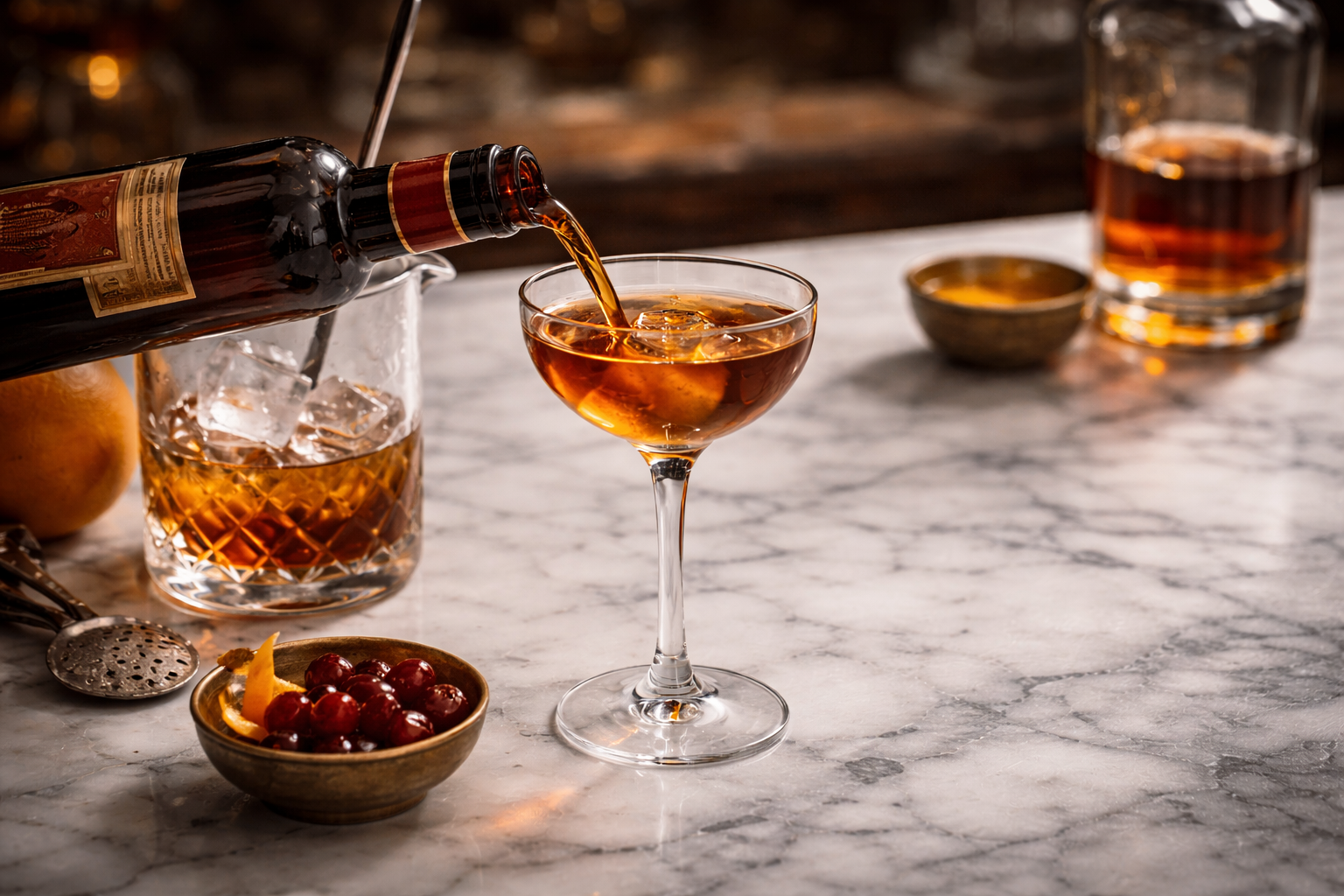
Take the Whiskey Sour. It’s simple, but structurally precise. Spirit, citrus, sweetness. Nothing unnecessary. Nothing missing.
When a drink’s structure is repeatable and balanced, it survives.
A Classic Is Recognisable
A true classic can be ordered almost anywhere in the world.
Walk into a bar in New York, Milan, or Singapore, and the bartender understands the blueprint. That consistency creates trust. You know roughly what you’re getting.
This universality is part of what we discuss in The Ultimate Guide to Bar Etiquette for Guests and Bartenders — classics act as a shared language between guest and bartender.
They simplify the interaction.
A Classic Leaves Room for Craft
Ironically, classics are not rigid.
A bartender can adjust citrus freshness, sweetness levels, dilution, or garnish while respecting the core formula. The framework remains — the details shift.
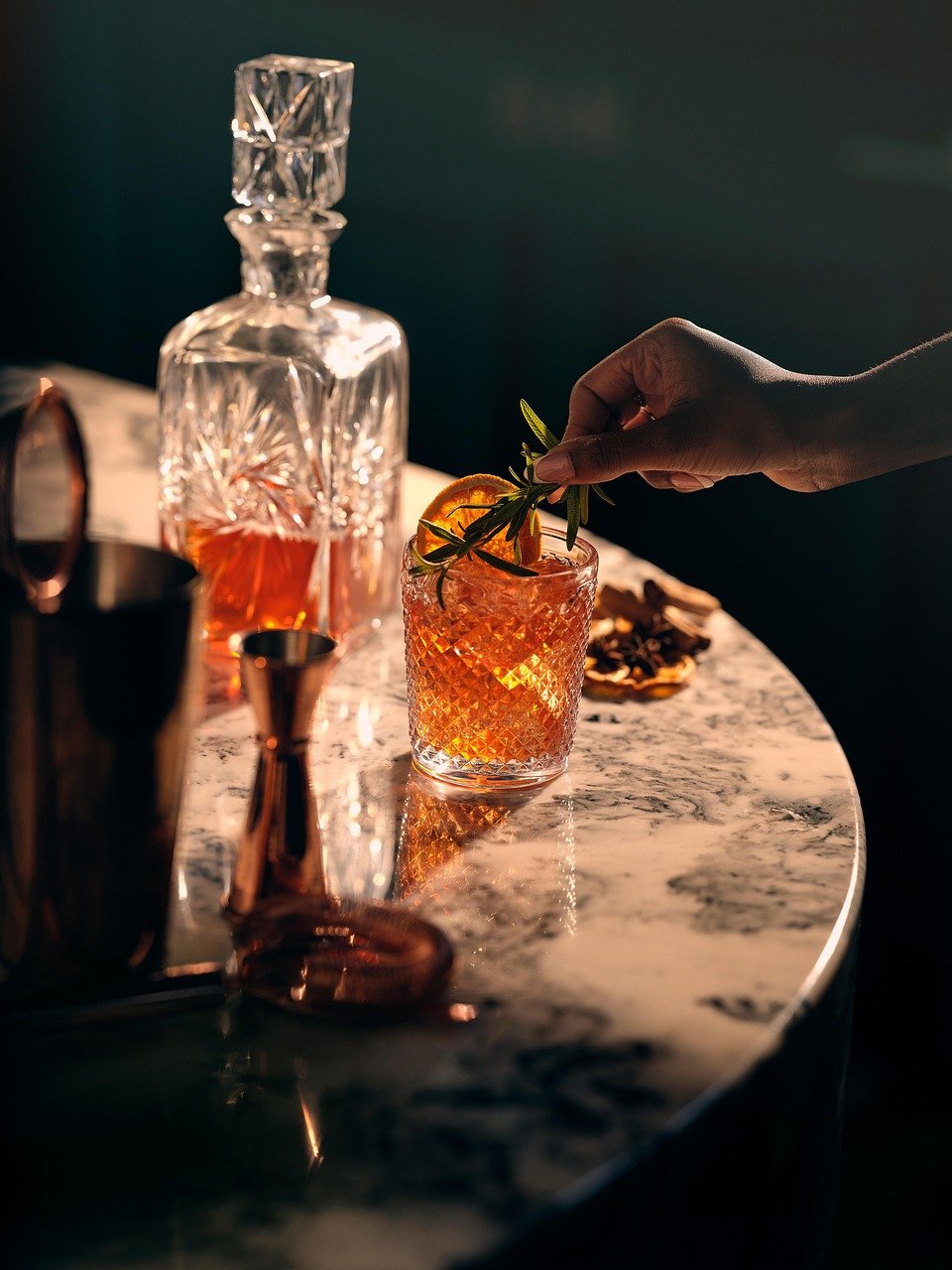
Presentation plays a role here too. As explored in The Art of Garnishing: Elevating the Cocktail Experience, aroma and visual detail influence perception without altering the structural base.
A classic supports refinement.

Is This the Right Drink for the Moment?
Not every cocktail fits every crowd. Explore flavor profile, occasion suitability, batching potential, and guest appeal before you commit to serving it.
A Classic Teaches You Something
When beginners start with classics, they learn flavour balance.
Order a Whiskey Sour and you understand sweet–sour harmony. Order a spirit-forward stirred drink and you understand strength and dilution.
It’s similar to learning how to read a café menu — as we covered in How to Read a Coffee Menu Like a Local Anywhere in the World. Once you grasp the foundations, the rest becomes easier.
Classics are education disguised as enjoyment.
Why Classics Still Matter Today
In a world of smoke bubbles, molecular foams, and constantly rotating seasonal menus, classics offer stability.
They anchor innovation.
Modern cocktails often remix classic frameworks rather than abandoning them. Without understanding the foundation, experimentation loses direction.
When you explore the philosophy behind The Drink Journal and the story shared in About TDJ, you’ll notice a consistent theme: fundamentals first.
Trends are exciting.
Classics are reliable.
And reliability builds culture.
FAQ — Cocktail Classics Explained
1. Does “classic” just mean old?
No. A classic is structurally sound, widely recognised, and consistently repeatable. Age alone doesn’t qualify a drink.
2. Can modern cocktails become classics?
Yes. If they demonstrate balance, repeatability, and widespread adoption over time, they can earn that status.
3. Why do bartenders recommend classics to beginners?
Because they teach flavour structure and set expectations. They’re dependable entry points.
4. Are classics boring compared to modern creations?
Not at all. Many modern drinks are reinterpretations of classic templates.
5. Should I always order classics?
Not necessarily — but understanding them gives you a strong foundation for exploring more creative menus.
Keep going with more cocktail guides