Tea Collection: Yerba Mate
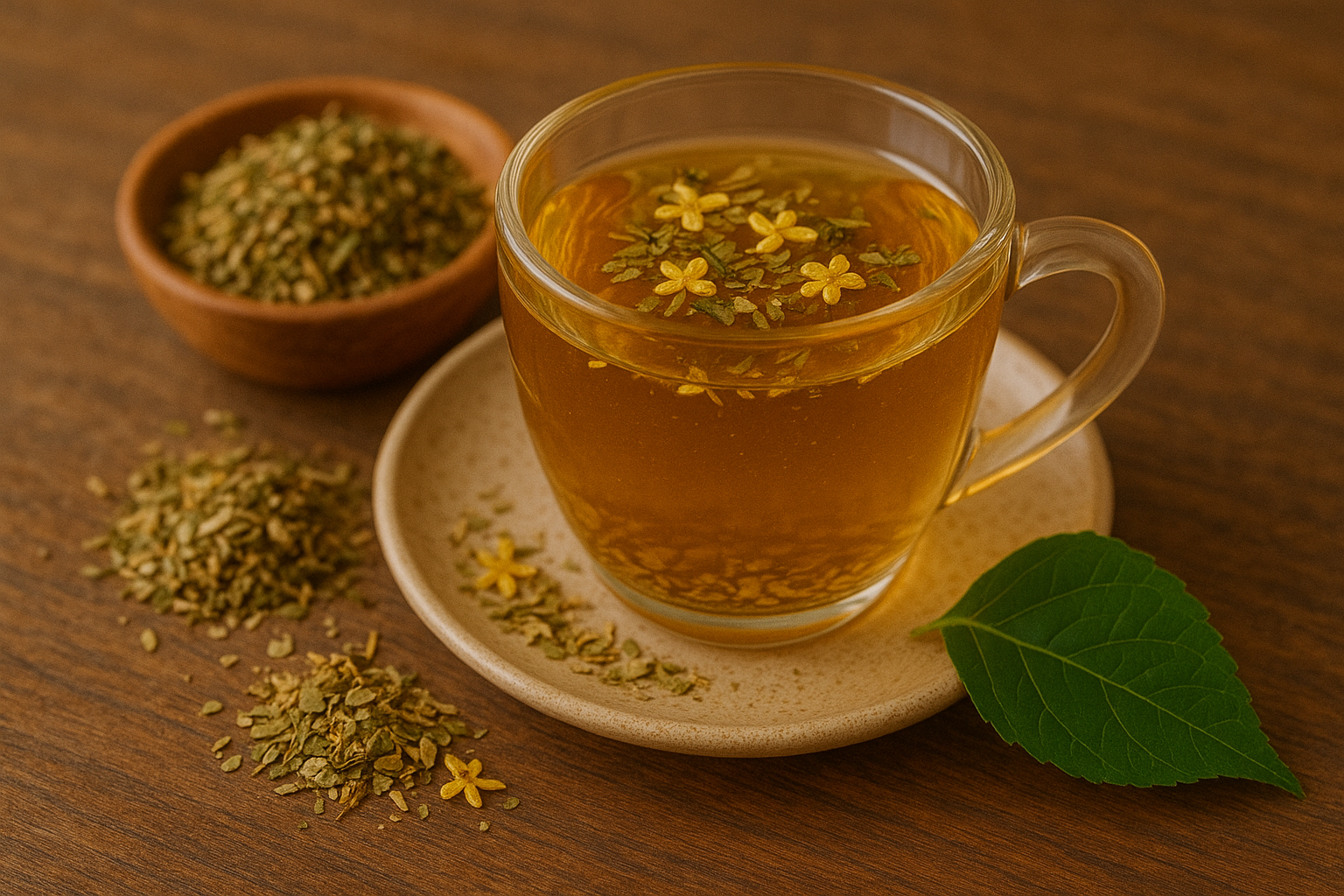
Inside the Tea
In the subtropical forests of Argentina, Paraguay, southern Brazil, and Uruguay, evergreen trees called Ilex paraguariensis stretch toward the light. Their glossy leaves are harvested, dried, and destined to become yerba mate—a beverage that is as much social ritual as it is drink. To understand mate, picture a circle of friends sitting on a patio or a park bench, passing around a hollowed-out gourd. Each person drinks from a metal straw called a bombilla, empties the gourd, refills it with hot water, and passes it along. Conversation ebbs and flows with the shared infusion, and the gourd becomes an emblem of hospitality, community, and tradition.
The raw material of mate begins its transformation soon after picking. Leaves, stems, and small twigs are harvested and subjected to a process called sapecado—flash-heating them over a fire to halt oxidation and impart a faint smokiness. The leaves are then dried slowly over low heat, sometimes smoked, sometimes warm-air cured, depending on regional style. After drying, they rest and age in large sacks for months, allowing flavours to mellow and bitterness to soften. Finally, they are crushed into a mixture of leafy bits and powder, ready to be packed and shipped. This combination of leaves and powder gives mate its distinctive body and long-lasting flavour.
When hot water meets the mound of yerba in a gourd, the leaves swell, releasing a green, earthy aroma reminiscent of freshly cut grass and wood smoke. The first slurp through the bombilla can be strong and bitter, especially if the mate is smoked, but subsequent infusions often soften into herbal sweetness with notes of hay, cocoa, and herbs. The beverage coats the mouth with tannins and awakens the senses with a steady stream of caffeine and theobromine—the compounds responsible for mate’s energizing yet smooth effects. Unlike coffee’s quick spike, mate offers a more gradual, sustained lift.
Yerba mate is deeply ingrained in the identity of several countries. In Paraguay, cold-brew tereré cuts the heat of summer; in Argentina, mate is sipped at breakfast, at work, and on road trips; in Uruguay, nearly everyone carries a thermos and a gourd under one arm. Beyond daily life, mate features in indigenous traditions of the Guaraní people and is celebrated in literature and music. Drinking mate is an act of belonging, an invitation to pause and share time. Even when prepared in a French press or teabag, away from its native lands, mate retains something of this spirit—a sense that each infusion is part of a chain of sharing stretching back centuries.
What People Notice Most Often
Earthy, herbal flavour with hints of hay and tobacco
Moderate to high caffeine providing steady, long-lasting energy
Slight bitterness that mellows with repeated infusions
Aroma of fresh grass, wood, and smoke (if fire-dried)
Traditionally served in a gourd and sipped through a bombilla
Often enjoyed communally—passed around among friends
Can be prepared hot or cold (tereré)
Combines well with citrus, mint, or sweet herbs
Contains vitamins and minerals as well as antioxidants
Not a true tea, but an infusion from a holly species native to South America
Tea at a Glance
Overview
Yerba mate is an herbal infusion made from the leaves of Ilex paraguariensis, a holly tree native to South America. Rich in caffeine and tradition, it is drunk hot or cold in Argentina, Paraguay, Uruguay, and Brazil. The drink is renowned for its earthy flavour, social rituals, and balanced stimulation.
The Experience
Mate offers a grassy, slightly smoky taste that can be bitter at first but develops a sweet, herbal depth. It awakens with a smooth, sustained energy and carries cultural warmth—every sip feels like being invited into a circle of friends.
Brew Notes to Try
Traditional Gourd
Fill a mate cup three-quarters with yerba; moisten with cool water; insert bombilla; add 70–80 °C water and sip.Tereré (Cold Brew)
Prepare as above with ice-cold water or juice; refreshing on hot days.French Press or Teabag
For convenience, steep in a press with 80 °C water for 3–5 minutes.Mate Latte
Brew strong, then mix with steamed milk and a dash of honey.Roasted Mate
Seek out roasted yerba; brew like tea for a toasted, cocoa-like flavour.
Why People Love It
Mate lovers treasure its sociability and its smooth yet potent energy boost. It’s seen as a healthier alternative to coffee, rich in antioxidants and tradition. For many, the ritual of preparing and sharing mate is as important as its taste.
Good to Know
Use water at 70–80 °C to avoid scalding the leaves
Refill the gourd many times; flavour evolves over infusions
High caffeine content; consume mindfully
Can be dusty—pour gently to avoid clogging the bombilla
Choose unsmoked varieties for a milder flavour if you dislike smoke
Often sold loose leaf, in tea bags, and as instant powders
Where It Comes From
Argentina, Paraguay, Uruguay, southern Brazil
Plant: Ilex paraguariensis (holly family)
Harvest: late summer
Traditional vessels: mate gourd and bombilla
Category: herbal infusion