Reducing Prep Time and Waste: The Operational Case for La Mouss
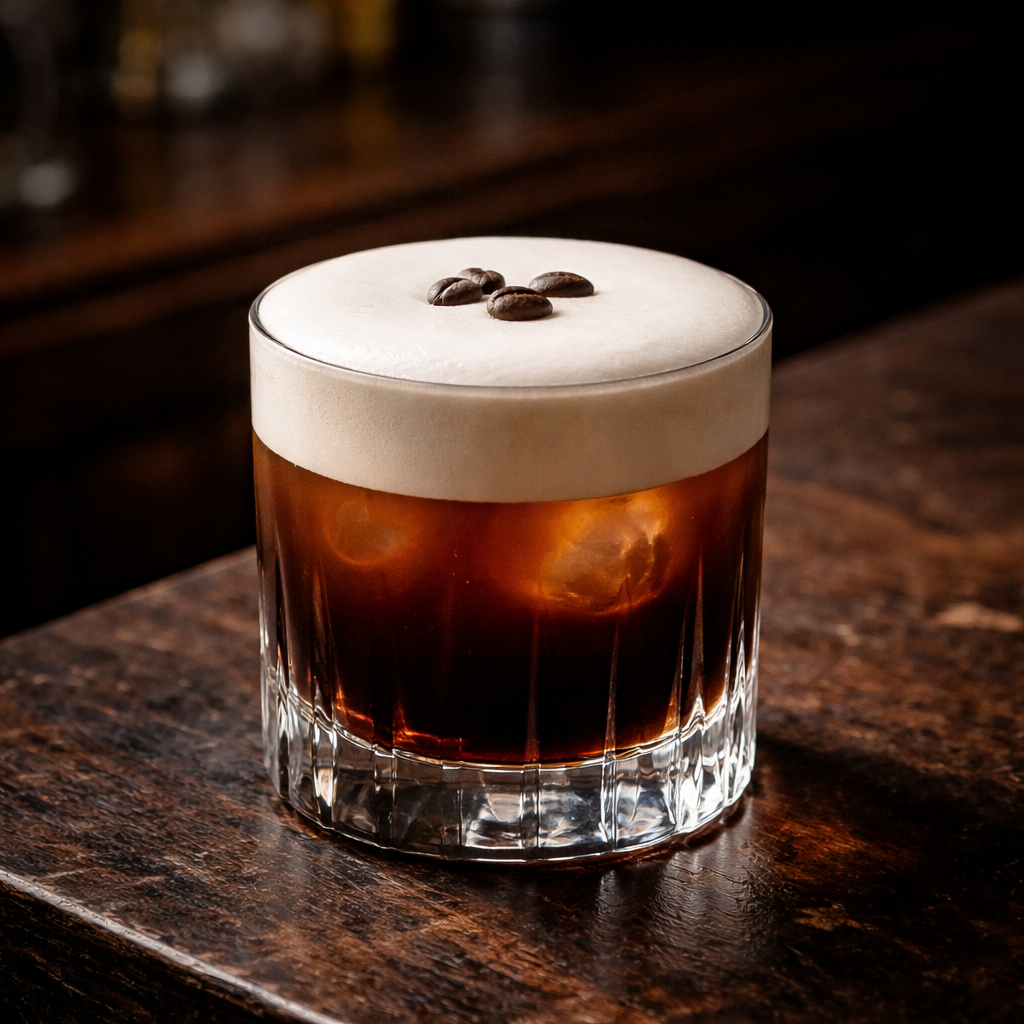
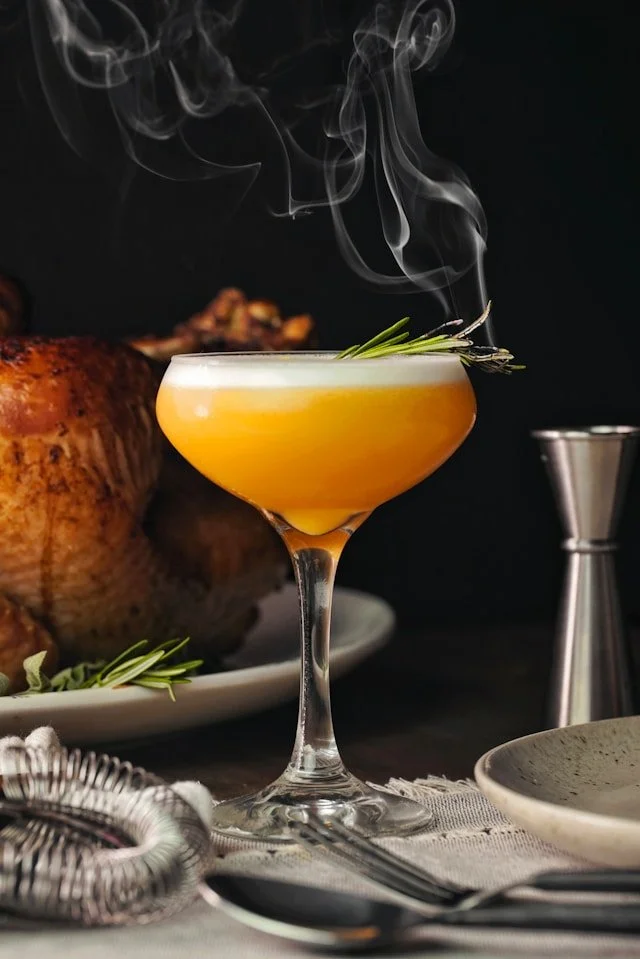
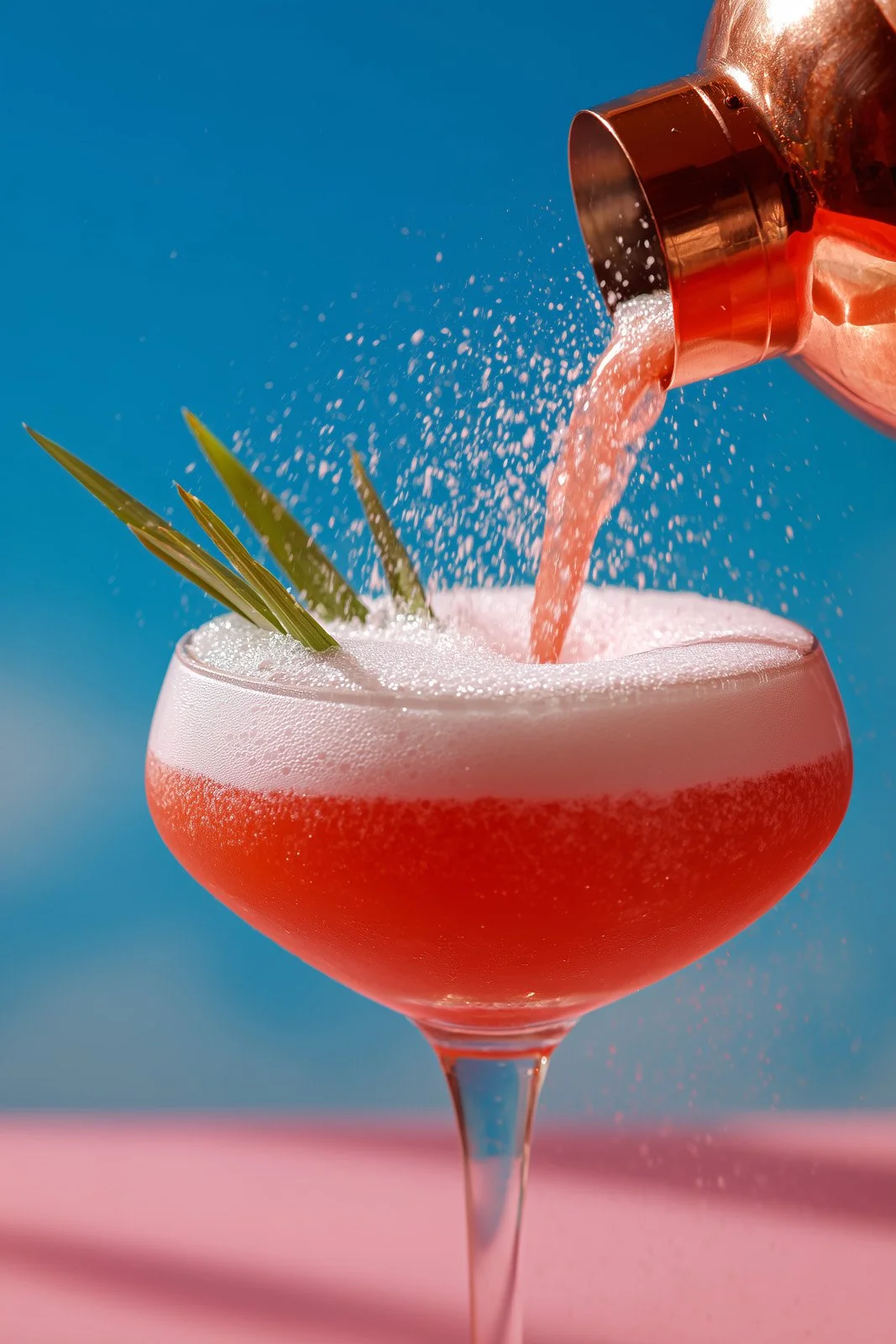
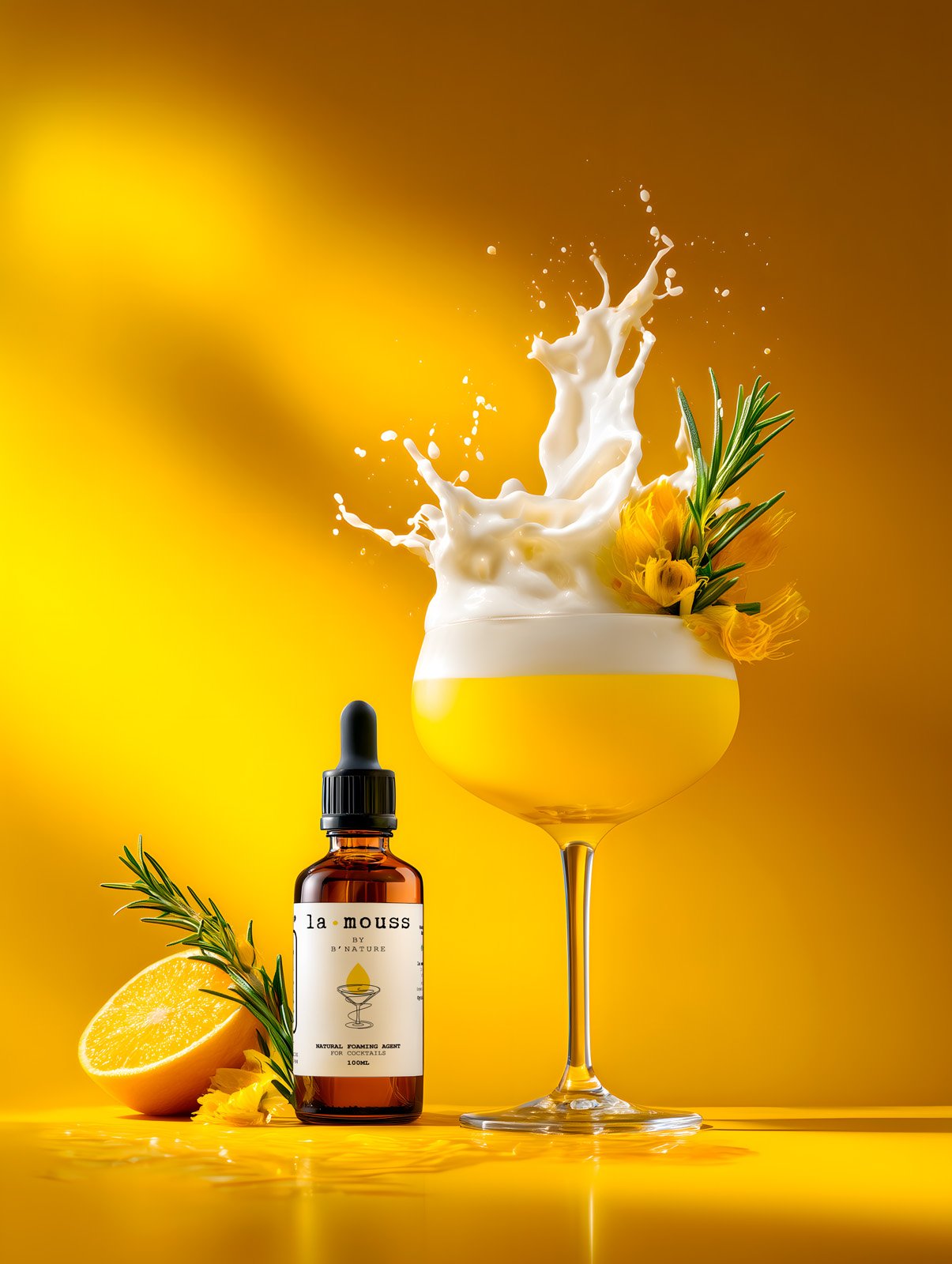
Behind every smooth service is a prep system that does not get in the way. In modern bars, efficiency is no longer about cutting corners. It is about removing unnecessary friction so staff can focus on execution, not maintenance. This is where ingredient choice becomes operational strategy, and where foaming agents like La Mouss increasingly make sense.
At The Drink Journal, we look closely at how bars actually function over weeks and months, not just during a single service. Prep time and waste are two of the most overlooked cost centres in cocktail programs, and they are often linked.
Prep Time Is the First Bottleneck
Egg whites introduce prep before service even begins. They must be refrigerated, separated, labelled, and monitored. Each step consumes time and attention, especially in bars running multiple shifts or rotating staff.
La Mouss removes this entire layer. It arrives ready to use, stores at room temperature, and requires no advance handling. Bartenders spend less time setting up and more time focusing on mise en place that actually affects flavour and presentation.
Over the course of a week, those saved minutes add up.
Fewer Perishables, Less Waste
Waste is not always visible in a single shift. It accumulates quietly through discarded ingredients, expired stock, and precautionary throwaways.
Egg whites are a prime example. Once opened, their lifespan is limited. End-of-night decisions often lead to disposal, even when product is still technically usable. In high-volume bars, this waste becomes routine.
La Mouss is shelf-stable. There is no spoilage window, no urgency to use it before close, and no need to discard unused product. What is opened today is still usable tomorrow, next week, and beyond.
From an operational standpoint, this alone changes how inventory is managed.
Cleaner Prep, Cleaner Stations
Prep time is also influenced by cleanup. Egg whites leave protein residue that clings to shakers, strainers, and prep tools. That residue requires more thorough washing and more frequent tool rotation.
La Mouss rinses clean. There is no film to scrub away and no lingering aroma on cloths or hands. Stations reset faster between rounds, and prep areas stay cleaner throughout service.
For bars serving foamed cocktails in volume, this difference is immediate. The Whiskey Sour is a common example, and we explore its structure and execution in our Whiskey Sour cocktail archive. Cleaner foam translates directly into cleaner workflow.
Efficiency Is a Hygiene Issue
Reducing prep time is not just about speed. It is about reducing handling, reducing mess, and reducing the opportunities for things to go wrong.
Consistency Reduces Corrections
Operational waste is not only physical. Time spent correcting drinks is also a cost.
Egg whites vary in freshness and behaviour, which can subtly change foam density and mouthfeel. Bartenders often compensate by adjusting citrus or sweetness, sometimes unconsciously. These micro-adjustments slow service and increase ingredient usage.
La Mouss behaves the same way every time. Recipes remain stable, and adjustments are made intentionally rather than reactively. This consistency reduces reworks, remakes, and over-pouring.
Consistency behind the bar often begins with controlling core variables. Ice is a familiar example, and we explore this discipline in our guide on using ice to control dilution in cocktails. Foam choice belongs in that same operational conversation.
Shelf Stability Simplifies Inventory
Inventory management becomes simpler when fewer items require strict oversight. Shelf-stable foaming agents reduce the need for date tracking, rotation, and temperature checks.
La Mouss can be stored alongside other bar staples without special consideration. This simplicity reduces administrative overhead and makes handovers between shifts smoother.
For managers, it means fewer things to audit and fewer opportunities for loss.
Neutral Foam Means Predictable Builds
Neutrality plays an important role in waste reduction. Egg whites introduce flavour and softness that can alter how drinks taste, often leading bartenders to tweak builds to compensate.
La Mouss is neutral in both aroma and taste. Drinks behave exactly as designed. Bartenders trust their recipes, even during busy service, which reduces unnecessary experimentation and ingredient use.
Predictable builds lead to predictable ordering, which supports tighter stock control.
Presentation Without Redo’s
Waste also comes from presentation failures. Foam that collapses or separates often results in remakes, especially in guest-facing bars.
La Mouss produces stable, fine-textured foam that holds its shape through service. Drinks arrive looking intentional, reducing the likelihood of returns or do-overs.
This stability supports thoughtful choices around garnish and glassware. When foam behaves, presentation becomes repeatable, something we often explore in our feature on choosing the right glass for any cocktail.
Designed for Operational Reality
La Mouss was developed with bar operations in mind. It integrates easily into existing recipes, requires minimal training, and reduces both prep and cleanup time.
Bartenders looking to understand how it fits into daily workflow can explore how to use La Mouss, alongside insight into why La Mouss was developed and where to find La Mouss. A broader overview is available on the La Mouss official website.
Final Assessment: Time Saved Is Quality Preserved
Reducing prep time and waste is not about cutting quality. It is about protecting it. When bartenders spend less time managing fragile ingredients and cleaning residue, they have more attention for balance, technique, and presentation.
La Mouss removes friction at multiple points in the bar’s workflow. Less prep, less waste, fewer corrections, and cleaner stations all contribute to a calmer, more sustainable operation.
From an operational perspective, that efficiency is not a side benefit. It is the case for change, and one we continue to see reinforced across modern bars at The Drink Journal.