Kenangan Coffee Gets Lost in the Ice Before Kopi-O Helps
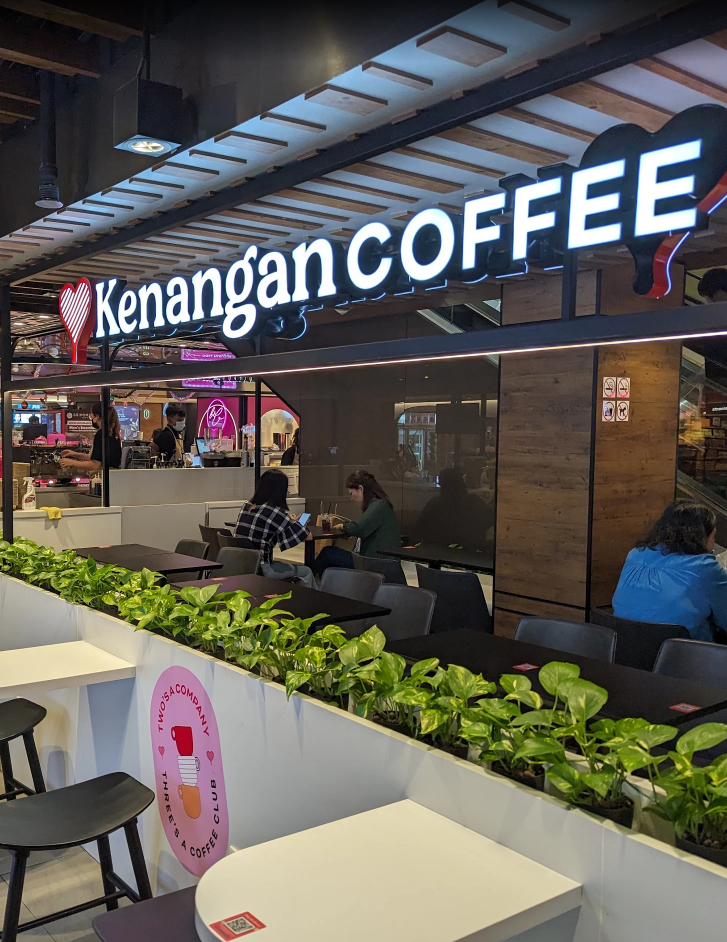
Episode 19 of the World’s Best Kopi search begins with an obstacle Geowin has encountered before.
The name.
This time, the unfortunate victim was Kenangan Coffee.
“Kenengin.”
“Kanan-gen.”
“Kanahgan.”
Eventually, something resembling “Kenangan” appeared.
World’s Best Kopi labelled this particular sequence “Geowin rapping,” which seems as reasonable an explanation as any. At The Drink Journal, we have accepted that correctly pronouncing the name of a cafe before entering it is apparently optional in this series.
Once the impromptu performance was over, Geowin headed inside to find out whether Kenangan Coffee could earn a place among Singapore’s stronger coffees.
Unfortunately, the difficulties did not end with the pronunciation.
The Ordering Experience Took a While
Kenangan Coffee operates multiple locations, and this particular visit took Geowin into a shopping centre outlet where ordering appeared to involve a self-service kiosk.
From what we could see, the process did not seem immediately intuitive to her.
There was some time spent working out what to do, followed by what Geowin described as a long wait before the drink finally arrived.
Eventually, though, she secured an iced latte for S$4.90.
That price makes Kenangan noticeably cheaper than many of the iced lattes appearing throughout the World’s Best Kopi series. On paper, things were beginning to look promising again.
Then came round one of the taste test.
Too Much Ice, Too Much Milk
Geowin took the first sip and quickly identified the problem.
There was simply too much ice.
Her criticism became more specific as she continued drinking. The coffee tasted diluted, was very milky and lacked enough coffee flavour to stand up against everything else in the cup.
At one point, she described the original drink as tasting “just like water.”
That is never an encouraging sentence during a coffee ranking.
The problem did not appear to be that Kenangan had produced some aggressively unpleasant flavour. Instead, the actual coffee seemed to have disappeared underneath the milk, ice and dilution.
Geowin's initial disappointment was obvious.
A cold latte naturally becomes more diluted as its ice melts, but this one appeared weak from the beginning. When a drink is already struggling to establish its coffee character during the first few sips, additional melting ice is hardly going to help.
It left Kenangan in serious trouble.
The Bottle Gets Another Rescue Mission
A watery iced latte needed more intensity, and fortunately Geowin was carrying exactly the experiment required.
Out came Kopi-O.
The recurring addition has produced wildly different results throughout the series. Sometimes it changes almost nothing. Sometimes it adds sweetness. In other episodes, it has given an otherwise forgettable coffee the stronger flavour it was missing.
The Drink Journal has previously explored what sets Kopi-O apart from other coffee liqueurs, and Kenangan provided another example of where its concentrated coffee character can make an immediate difference.
This cup certainly needed one.
“That Helps So Much More”
Geowin added the Kopi-O and moved into taste-test round two.
The improvement was immediate.
“That helps so much more,” she said.
The original drink had tasted almost like water. After the addition, Geowin found it slightly sweeter and considerably more palatable.
It did not suddenly become an exceptional iced latte. The excessive milk and ice remained part of the underlying drink, and adding another ingredient could only compensate for so much.
But it finally tasted like something.
That distinction was enough to rescue Kenangan from what was shaping up to be one of the weaker results of the series.
For more on how this Singapore coffee liqueur is developing beyond the World’s Best Kopi experiment, read why Kopi-O is emerging as Singapore’s defining coffee liqueur.
Kenangan Coffee Finishes With 5/10
After the second taste test, Geowin settled on a final score:
5 out of 10.
Her conclusion was relatively generous considering where the drink began.
“Not bad,” she said.
The phrase probably describes the final result perfectly. After the Kopi-O addition, Kenangan became drinkable and reasonably enjoyable, but there was not enough in the original iced latte to push the score much higher.
A coffee that begins by reminding the drinker of water has a difficult journey ahead of it.
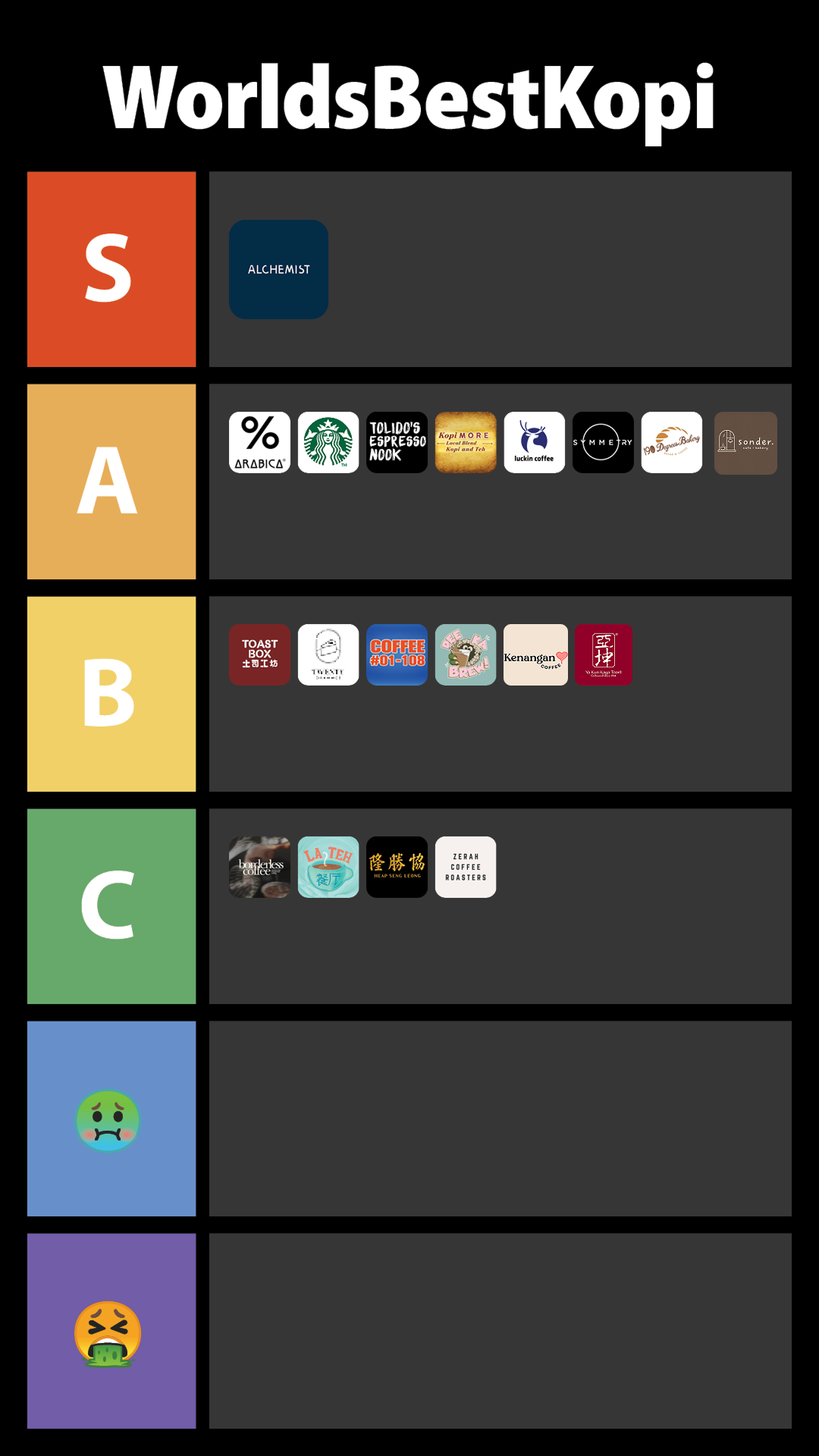
Still, 5/10 was enough to place Kenangan Coffee in the B-tier of the World’s Best Kopi Tier List.
It joins a growing collection of cafes whose coffees were perfectly serviceable but needed either more flavour, better balance or—in Kenangan’s case—considerably less dilution.
From “Kanahgan” to B-Tier
Kenangan Coffee gave Episode 19 almost everything except a genuinely impressive first cup.
There was Geowin’s increasingly creative attempt to pronounce the brand name. There was the ordering confusion. There was the long wait. And when the coffee finally appeared, there was enough ice and milk to leave the drink tasting frustratingly weak.
The Kopi-O addition did what the original coffee struggled to do: give the drink some recognisable flavour.
Readers interested in the wider role coffee liqueurs can play in drinks can also explore The Drink Journal’s editorial look at Kopi-O.
Continue the Search for Singapore’s Best Kopi
Episode 19 ends with Kenangan Coffee surviving in the B-tier with 5/10.
Not terrible.
Not particularly memorable.
But definitely better after the bottle appeared.
Explore more stories from Singapore’s cafe and drinks culture through The Drink Journal, or see how coffee liqueur changes direction entirely when paired with hazelnut in Kopi-O and Frangelico.
Nineteen coffees down.
And Geowin still has 81 opportunities to learn how to pronounce the cafe name before filming.