
Black Tea vs Green Tea: What Is the Difference?
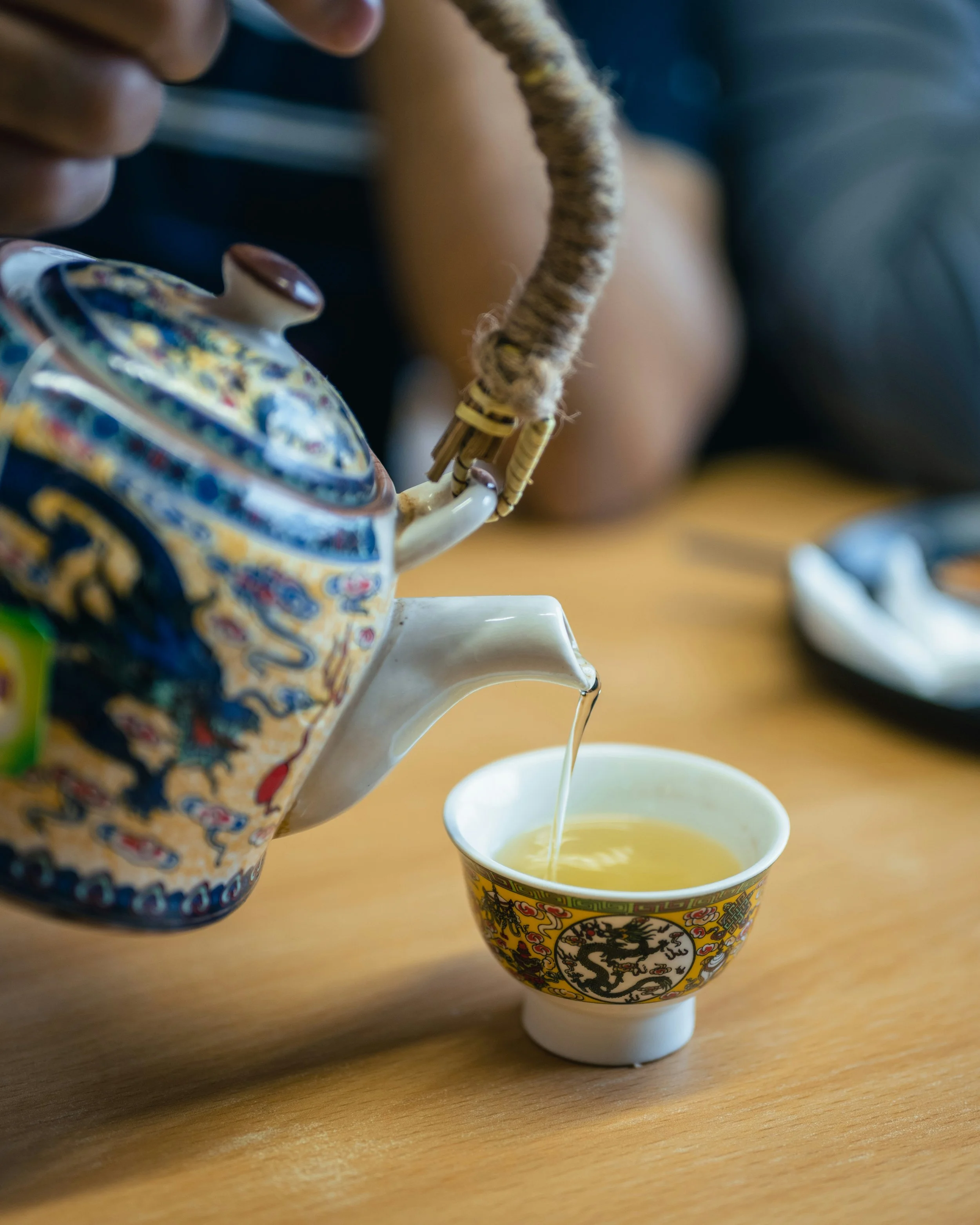
Black tea and green tea come from the same plant, but they are processed differently. Black tea is fully oxidised, producing deeper malt, fruit, spice and caramel flavours, while green tea is minimally oxidised and usually tastes fresher, grassier or more vegetal. Neither is universally better; the right choice depends on flavour, brewing style and how you prefer to drink tea.
Black tea and green tea are often treated as entirely different drinks, yet both are made from Camellia sinensis. Their contrasting colours, aromas and textures emerge largely after harvesting, when producers control how the leaves are withered, rolled, heated and oxidised.
Green tea is heated early to preserve much of the leaf’s fresh character. Black tea is allowed to oxidise more fully before drying, producing darker leaves and a stronger, rounder cup. Origin, cultivar and craftsmanship still matter, but processing creates the clearest distinction.
Black Tea and Green Tea at a Glance
- Fully oxidised
- Often malty, fruity, spicy or caramel-like
- Usually brewed with hotter water
- Often works well with milk
- Minimally oxidised
- Often grassy, vegetal, marine or nutty
- Usually brewed with cooler water
- Commonly lighter and more delicate
What Is Black Tea?
Black tea is made by allowing harvested leaves to oxidise extensively before they are dried. During this stage, the leaves darken and their flavour develops away from fresh vegetation towards malt, dried fruit, honey, spice, wood or caramel.
The category includes a broad range of styles. Some black teas are brisk and structured, while others are soft, floral or naturally sweet. The final character depends on elevation, climate, leaf grade, cultivar and the way the producer handles the oxidation process.
Black tea is usually more tolerant of high brewing temperatures than green tea. Its stronger body also allows it to remain expressive when served with milk, sugar, citrus or spices, although high-quality examples can be equally rewarding without additions.
What Is Green Tea?
Green tea is produced by applying heat soon after harvesting to restrict oxidation. Chinese styles are often pan-fired, creating toasted, nutty or chestnut-like flavours. Many Japanese green teas are steamed, which can produce a more vivid vegetal or marine character.
The category ranges from gentle, sweet and rounded teas to brisk examples with pronounced umami, grass or seaweed notes. Green tea’s reputation for bitterness often comes from water that is too hot or an infusion that is too long.
Because its flavour can be delicate, green tea benefits from careful preparation. Lower water temperatures and shorter infusions often preserve sweetness while reducing excessive astringency.
Which Tea Suits Your Taste?
Choose the quality you value most.
The Main Differences
Oxidation
Black tea is fully oxidised, while green tea is heated early to prevent most oxidation. This changes the colour and chemistry of the leaf, creating black tea’s darker, fuller profile and green tea’s fresher character.
Flavour and body
Black tea commonly offers more body, sweetness and tannic structure. Green tea is often lighter, more vegetal and more sensitive to brewing conditions. These are general tendencies rather than strict rules.
Brewing temperature
Black tea is usually prepared with near-boiling water. Green tea often performs better at lower temperatures, particularly delicate steamed varieties. Following the producer’s instructions is the most reliable starting point.
Caffeine
Black tea is often assumed to contain more caffeine, but the answer is not fixed. Leaf quantity, cultivar, picking standard, brewing temperature and infusion time all influence the final cup. Either category can produce a stronger serving.
Follow the Tea Leaf
See how place and preparation shape every cup
Tea becomes more meaningful when ingredient, ritual and setting are considered together. Continue through Destination Beverage for broader beverage discovery, or explore the creative process behind modern drinks through Studio Origin.
Which One Should You Choose?
Choose black tea when you want a fuller cup with malt, fruit, spice or caramel depth. It is often the more forgiving option for strong breakfast-style brewing and remains expressive when served with milk.
Choose green tea when you prefer freshness, delicacy and vegetal complexity. It can feel especially clean and refreshing when brewed carefully or served chilled.
The decision also depends on ritual. Black tea suits straightforward brewing and familiar additions, while green tea often rewards closer attention to temperature and time. Many tea drinkers keep both, choosing according to mood and occasion.
The Final Verdict
The main difference between black tea and green tea is oxidation. Black tea is fully oxidised, giving it a darker colour and deeper flavour. Green tea is minimally oxidised, preserving fresher, grassier and more vegetal qualities.
Neither category guarantees quality. The finished cup depends on the leaf, origin, producer, storage and preparation. This relationship between ingredient and craft is central to The Drink Journal and its documentation of contemporary drinking culture.
One More Pour
Continue beyond tea into the wider world of drinks
Discover more through TDJ’s editorial approach, or see how coffee traditions are reinterpreted through Kopi-O.
Frequently Asked Questions
Is black tea stronger than green tea?
Black tea often tastes stronger because it has a fuller body and deeper flavour. However, actual strength depends on the amount of leaf, water temperature and brewing time.
Does black tea contain more caffeine than green tea?
Not always. Caffeine levels vary according to cultivar, harvest and preparation. A strongly brewed green tea may contain more caffeine than a lightly brewed black tea.
Which tea is more bitter?
Either tea can become bitter when overbrewed. Green tea is particularly sensitive to very hot water, while black tea may become strongly tannic when steeped for too long.
Can green tea be served with milk?
It can, but most green teas are lighter and may be overwhelmed by milk. Black tea is generally better suited to milk because of its fuller body and stronger structure.
Do black tea and green tea come from the same plant?
Yes. Both come from Camellia sinensis. Their differences arise mainly from oxidation and processing, along with cultivar, origin and production style.
 Nicholas lin
I own Restaurants. I enjoy Photography. I make Videos. I am a Hungry Asian