
12 Ways Bartenders Control Dilution Without You Noticing
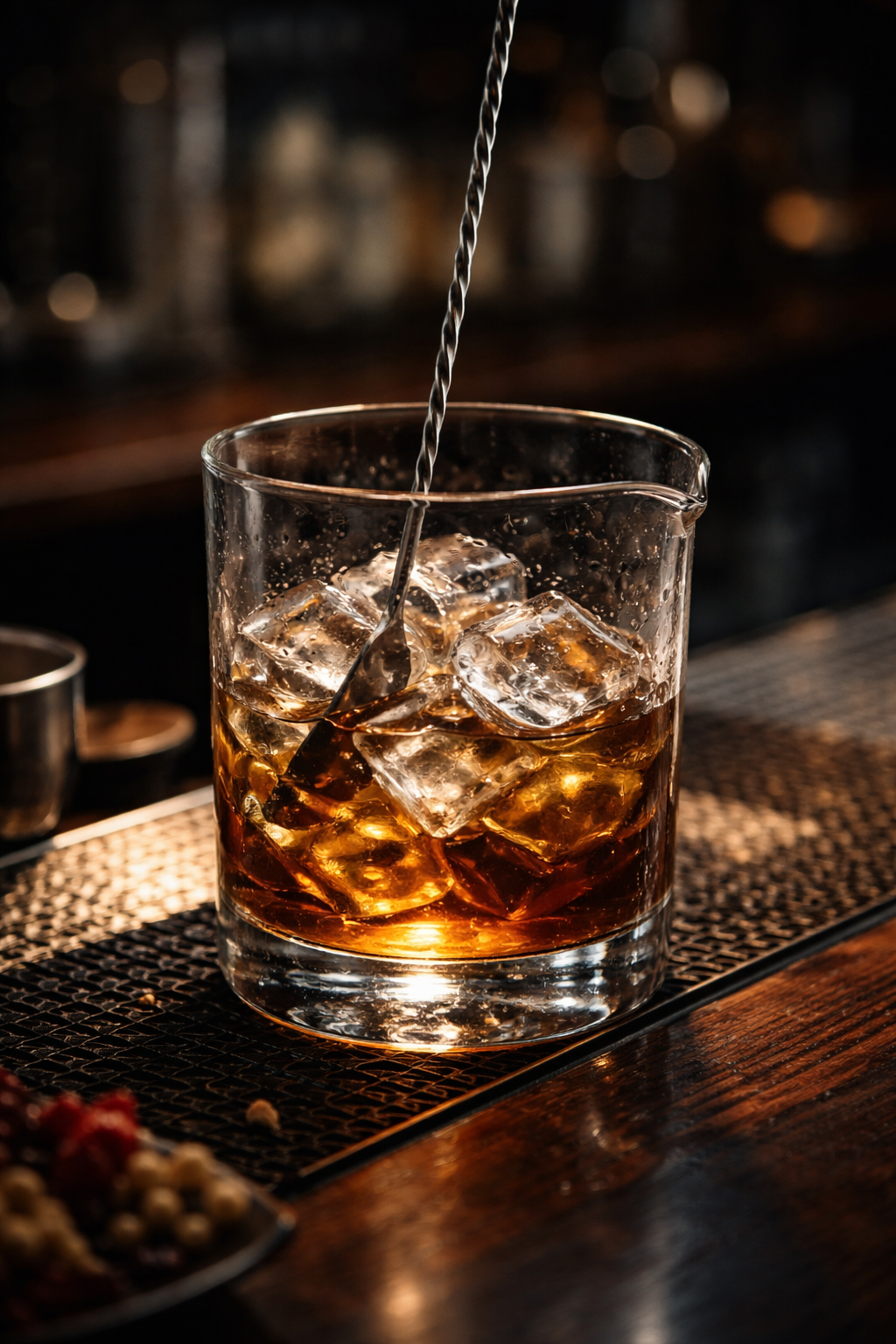
Dilution is the quiet architect of a good cocktail.
You rarely taste it directly, but you feel its absence immediately.
When a drink tastes harsh, loud, or unfinished, dilution is often the missing element. When a cocktail feels soft, seamless, and balanced, dilution is usually doing more work than any single ingredient. Skilled bartenders do not leave dilution to chance. They shape it deliberately, often invisibly.
This guide breaks down the subtle ways bartenders control dilution to make drinks feel complete without drawing attention to the process.
1. Choosing Stirring Over Shaking for Structure
Stirring controls dilution slowly and evenly.
Spirit-forward cocktails benefit from gradual water integration that preserves clarity and texture. This is why classics like the Manhattan feel polished rather than aggressive.
Manhattan, United States
The goal is not less dilution, but better timing.
2. Shaking With Intention, Not Force
Shaking is not about violence.
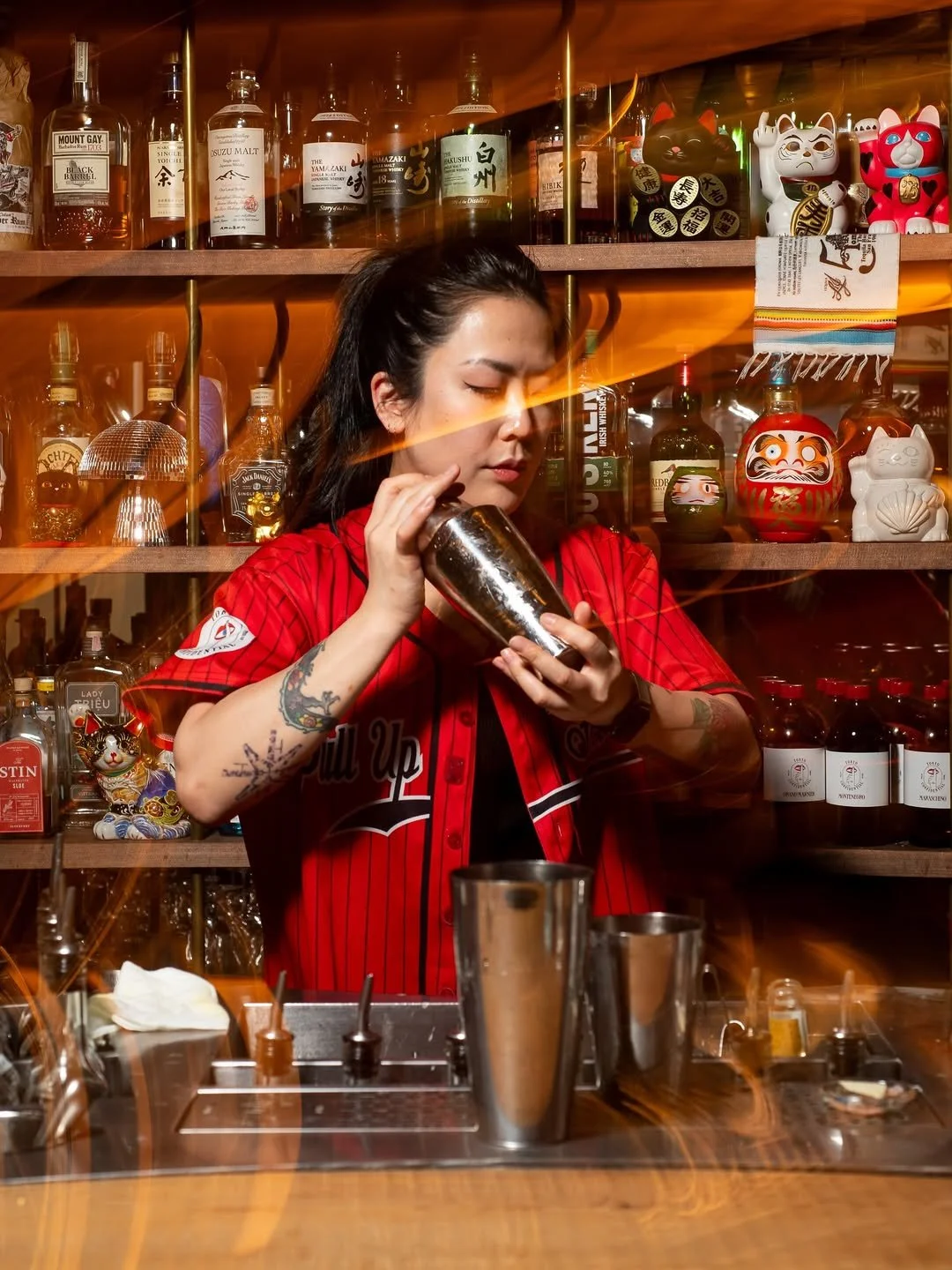
Bartenders adjust shake length, rhythm, and ice contact to control how quickly water enters the drink. Over-shaking floods a cocktail before it has structure. Under-shaking leaves it hot and disjointed.
Drinks like the Whiskey Sour rely on precise shaking to balance texture and freshness.
Whiskey Sour, United States
3. Matching Ice Size to Drink Style
Ice shape dictates dilution speed.
Large cubes melt slowly, supporting longer drinks without collapse. Small cubes melt fast, ideal for short, aggressively chilled cocktails that need rapid integration.
Understanding this relationship is foundational to controlled dilution.
How to Use Ice to Control Dilution in Cocktails
4. Pre-Chilling Glassware
Cold glass buys time.
By lowering the starting temperature, bartenders reduce how much ice must melt to chill the drink. This preserves flavour concentration and texture.
This technique is especially important for minimalist cocktails like the Old Fashioned.
Old Fashioned, United States
5. Controlling Pour Height and Speed
How liquid meets ice matters.
Pouring gently reduces surface agitation. Aggressive pouring accelerates melting. Bartenders adjust pour speed instinctively depending on the drink’s needs.
These micro-adjustments rarely get noticed, but they compound quickly.


6. Using Dilution as a Balancing Ingredient
Water is not neutral.
Proper dilution softens alcohol heat, opens aromatics, and integrates sweetness and bitterness. Bartenders often taste mid-build, adjusting technique rather than ingredients.
This mindset treats water as structure, not waste.
7. Letting Time Finish the Drink
Some cocktails are designed to evolve.
Highballs and spritzes rely on gradual dilution during drinking rather than upfront. The Americano is a classic example, gaining softness as ice melts.
Americano, Italy
This controlled fade is intentional, not accidental.
8. Using Ice Quality to Shape Outcome
Clear ice melts slower than cloudy ice.
Density, trapped air, and surface area all influence dilution rate. Many bars invest heavily in ice programs for this reason alone.
Better ice means more predictable drinks.
9. Adjusting Dilution for Temperature and Climate
Environment matters.
A cocktail served in a warm room dilutes faster. Bartenders compensate by chilling more aggressively or altering ice size to maintain balance.
Dilution strategy changes with context.
10. Building Drinks in Stages
Layering liquids reduces shock.
Adding ingredients in stages rather than all at once allows controlled integration, especially in stirred drinks.
This technique reduces sudden dilution spikes.
11. Choosing Glass Shape to Influence Melt
Glass shape affects ice contact.
Wide glasses expose more surface area. Narrow glasses slow melt. Bartenders choose vessels that align with how long the drink is meant to last.
This choice is structural, not aesthetic.
How to Choose the Right Glass for Any Cocktail
12. Knowing When to Stop
The final and most important skill is restraint.
Bartenders stop stirring or shaking not by timer, but by feel. Sound changes. Resistance shifts. Temperature stabilises.
This is experience speaking, not habit.
Final Thought
Great cocktails rarely taste watered down.
They taste complete.
Dilution is the difference between ingredients sharing space and ingredients working together. Once you start noticing how water behaves in a drink, cocktails become easier to read and harder to forget.
👉 Explore more cocktail guides, classics, and craft insight at
The Drink Journal
