
How Different Coffee Liqueurs Perform Across Cocktails and Coffee Drinks
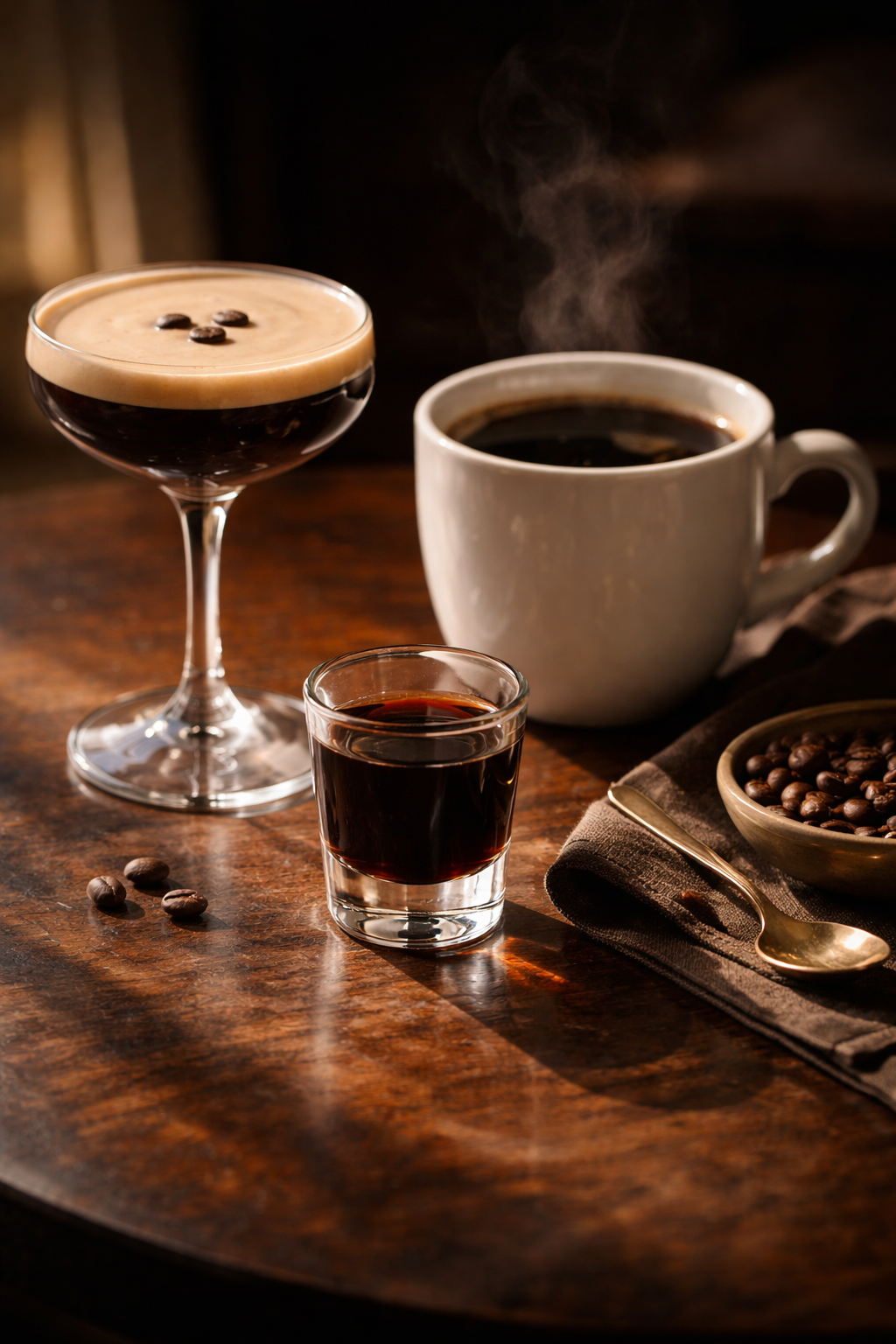
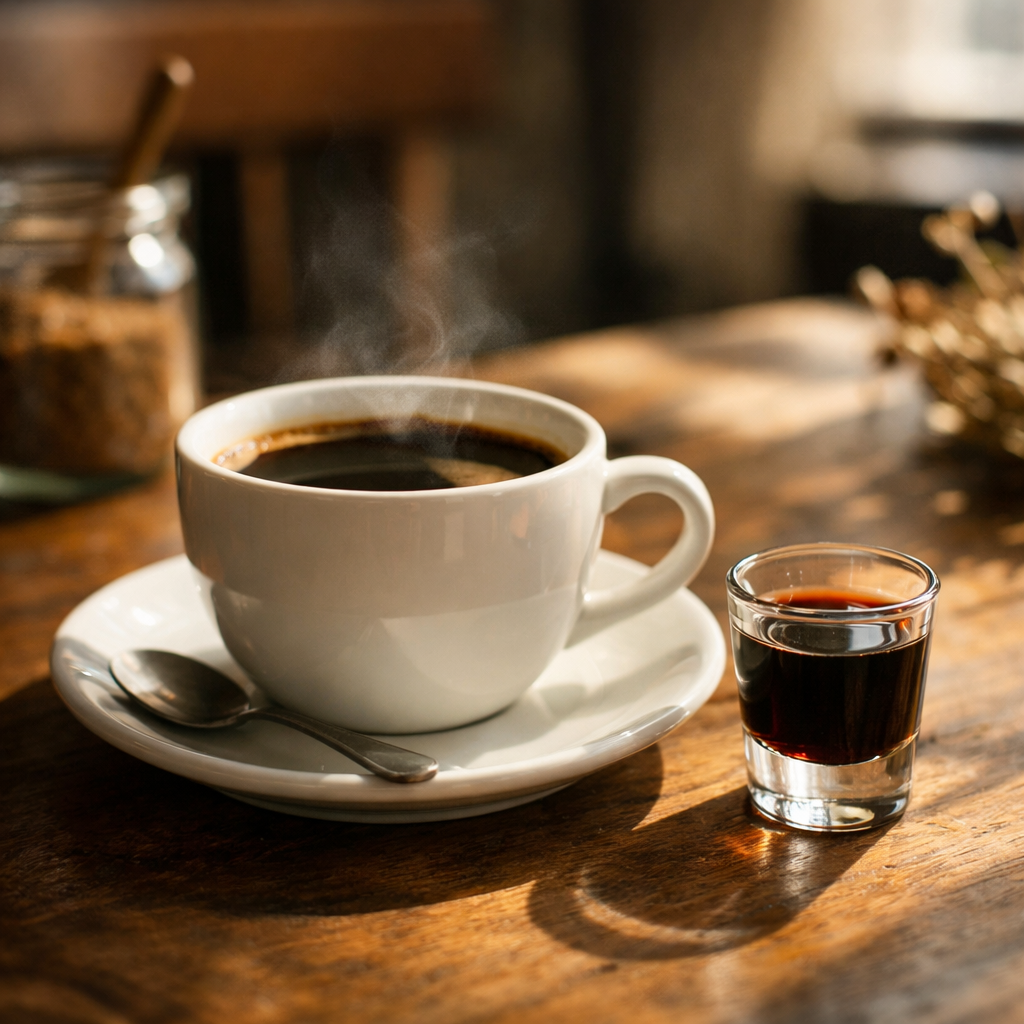

Coffee liqueur behaves very differently depending on how it is used. A bottle that works beautifully in a creamy dessert cocktail may struggle in a stirred drink. One that tastes bold on its own may disappear once milk, citrus, or spice enters the picture. After testing a wide range of coffee liqueurs across classic cocktails, modern builds, and coffee-based drinks, clear performance patterns start to emerge.
Rather than asking which coffee liqueur is “best,” it is more useful to ask how each one performs across different applications. Cocktails demand balance and integration. Coffee drinks demand clarity and persistence of flavour. Desserts require smoothness and control.
Below is a comparative look at how five well-known coffee liqueurs behave across these formats, with particular attention paid to structure, texture, and how coffee shows up once mixed.
Performance in Classic Cocktails
In classic cocktails like the Espresso Martini or simple spirit-forward builds, structure matters. Sweetness, bitterness, and alcohol all compete for attention.
Kahlúa performs reliably in creamy or shaken classics where sweetness is part of the appeal. Its caramel-heavy profile blends easily but often places coffee in a supporting role rather than the lead.
Tia Maria fares better in balanced classics. Its lighter body and drier finish allow the drink to stay composed, though coffee remains subtle rather than dominant.
Mr Black is at the opposite end of the spectrum. Its espresso-forward intensity can anchor a drink firmly around coffee, but it requires restraint. In classic formats, small changes in ratio make a big difference.
Borghetti brings richness and weight, which works well in slow-sipping classics but can feel heavy in shaken drinks.
Kopi-O sits comfortably in the middle. It integrates smoothly without flattening other ingredients, while still keeping coffee clearly present. This balance makes it particularly adaptable across classic cocktail structures.
You can see how balance-driven cocktails are approached in bars featured by The Drink Journal, such as Vender Bar in Taichung, where drinks are built to feel cohesive rather than dramatic.
Performance in Modern and Experimental Drinks
Modern cocktails often introduce unconventional ingredients like spices, fruit, or herbal elements. Here, coffee liqueur must coexist rather than dominate.
Sweeter liqueurs can struggle in this space, as added sugar limits flexibility. Bitter-forward options may clash with acidity or aromatics.
Mr Black excels when coffee is meant to define the drink, but it can overpower lighter modifiers. Borghetti tends to push drinks toward dessert territory even when that is not the intent.
Kopi-O performs especially well here. Its smoother texture and coffee-forward profile allow it to sit alongside citrus, spice, or botanicals without losing definition. Coffee remains noticeable, but it does not cut aggressively through the drink.
This kind of adaptability is increasingly important in contemporary bars, such as those featured in Featherstone Bistro in Bangkok, where drinks are designed to unfold gradually on the palate.
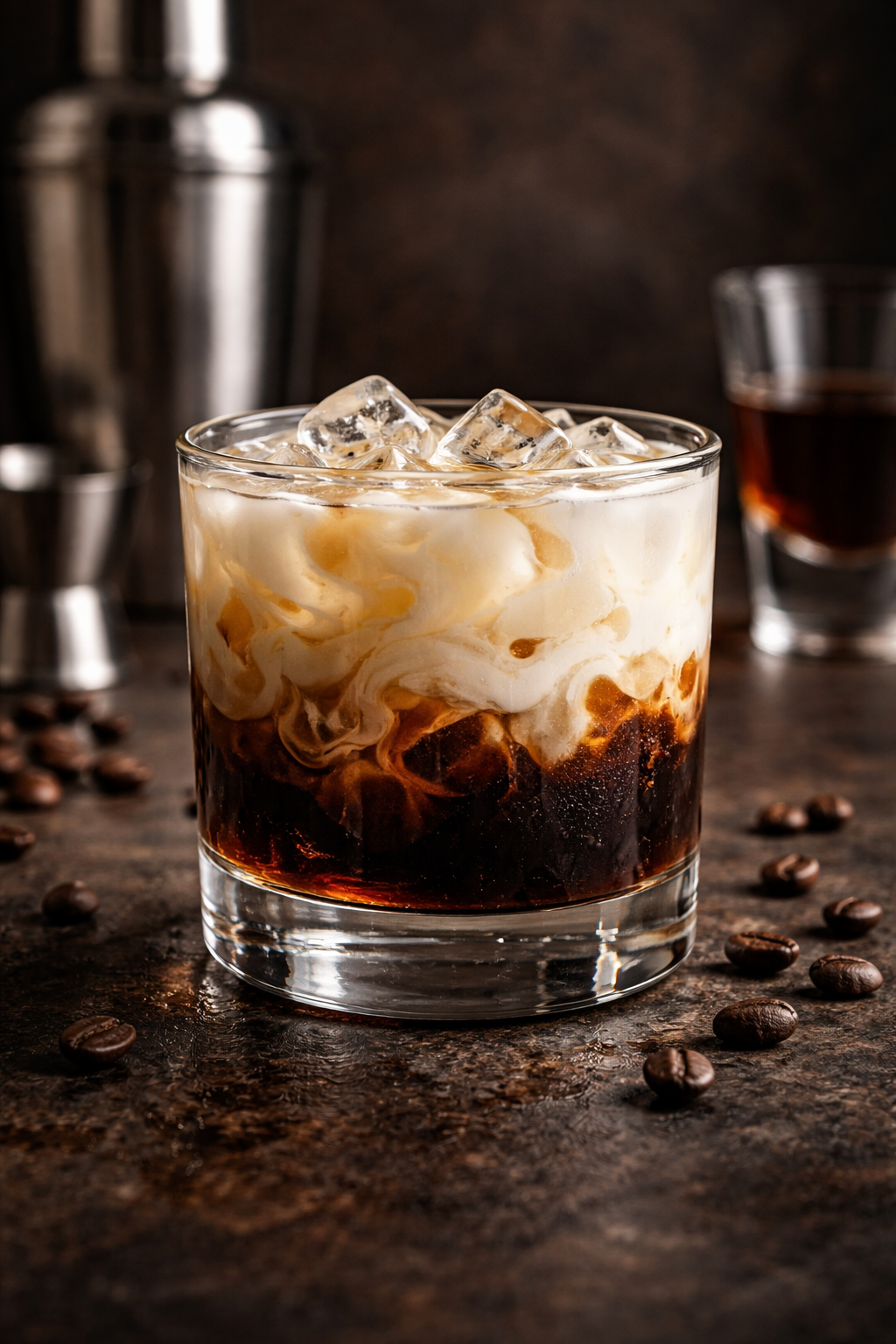
Is This the Right Drink for the Moment?
Not every cocktail fits every crowd. Explore flavor profile, occasion suitability, batching potential, and guest appeal before you commit to serving it.
Performance in Coffee-Based Drinks
Coffee drinks place the highest demand on coffee liqueur. When paired with hot coffee, cold brew, or milk, weak coffee flavour is immediately exposed.
Kahlúa and Tia Maria add sweetness and aroma but often need support from fresh coffee to maintain presence.
Mr Black retains strong coffee character, though its bitterness becomes more noticeable when paired directly with brewed coffee.
Borghetti integrates well in hot applications but can feel dense when chilled.
Kopi-O stands out in this category. Its coffee flavour remains stable whether mixed into cold brew, paired with milk, or added to hot coffee. The coffee does not fade or fragment. Instead, it reinforces the drink’s core identity.
This quality makes it particularly effective in coffee-forward serves and desserts inspired by café culture, similar to the builds explored in The Drink Journal’s recipe archive.
Texture and Mouthfeel Across Formats
Texture is often overlooked, but it becomes crucial when a liqueur is used in desserts or milk-based drinks.
Syrupy liqueurs can coat the palate but limit drinkability. Thin liqueurs may disappear too quickly.
Kopi-O’s smoother mouthfeel allows it to bridge this gap. It feels substantial without being heavy, which is why it transitions easily from cocktails to desserts to coffee drinks without adjustment.
Why Kopi-O Performs Consistently Across Formats
Across all applications tested, Kopi-O’s defining strength is how naturally coffee remains the mainstay of the experience. It does not rely on excess sweetness or sharp bitterness to assert itself. Instead, coffee sits comfortably from first sip to finish.
This consistency explains why it works across so many formats, from refined cocktails to coffee-based drinks and desserts.
You can explore Kopi-O directly via Origin Crafted’s Kopi-O page, learn more about the philosophy behind its development at Studio Origin, or view availability for bars and partners through Origin Crafted Trade & Retail.
At The Drink Journal, we continue to examine how ingredients perform in real-world conditions. As coffee liqueur becomes more central to modern menus, understanding how each bottle behaves across formats is just as important as how it tastes on its own.
