Why Some Coffee Liqueurs Work Better in Cocktails Than Others
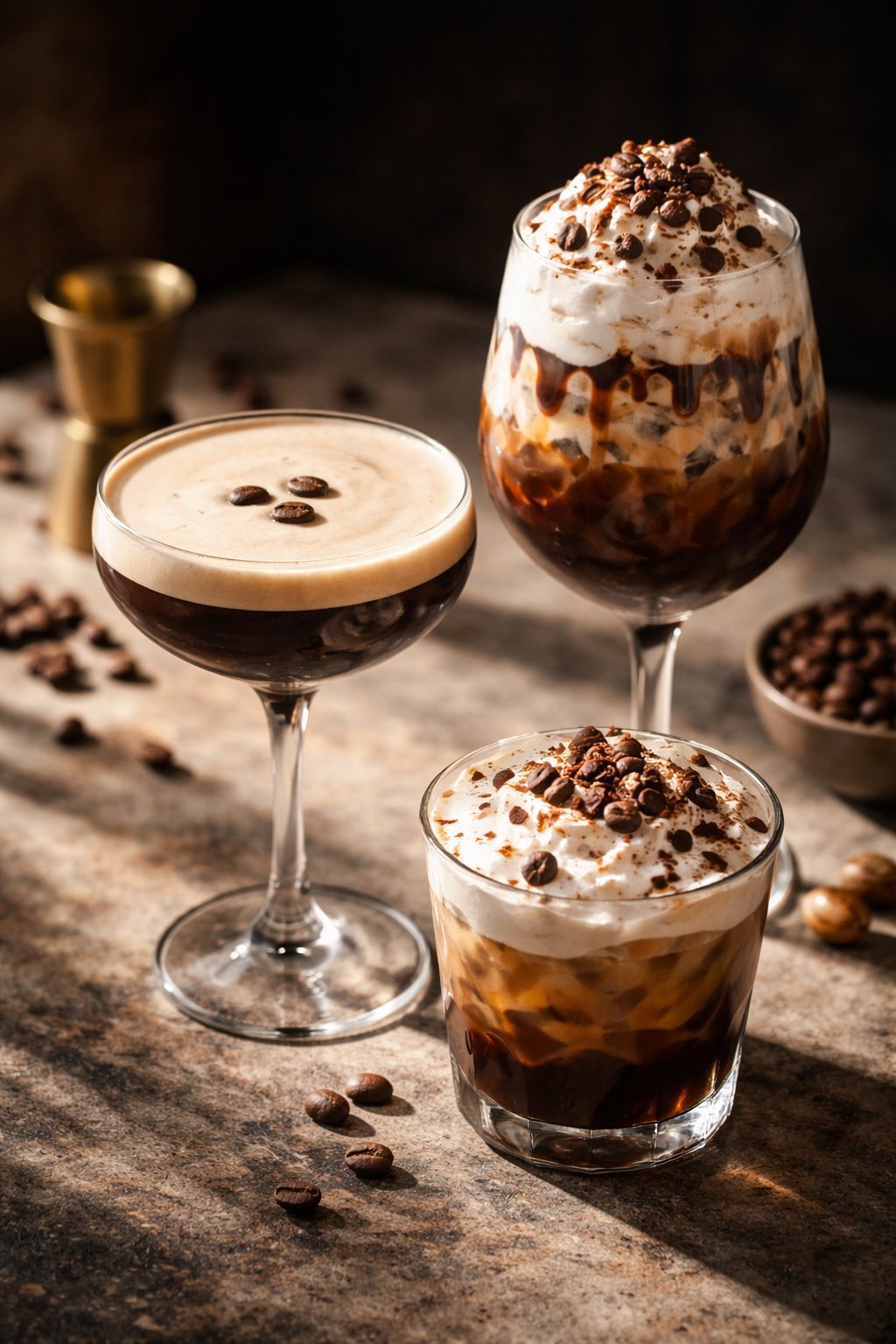
Not all coffee liqueurs behave the same once they hit the bar. Some disappear under ice and citrus. Others turn muddy when mixed. A few manage to stay expressive, balanced, and useful across a wide range of cocktails and even desserts.
This difference is not about branding or price tags. It comes down to structure, flavor design, and how a coffee liqueur interacts with the real conditions of a working bar.
If you have ever wondered why certain coffee liqueurs keep showing up behind hotel bars while others stay on retail shelves, the answer lies in how they perform, not how they market themselves.
Balance Matters More Than Intensity
The most common misconception about coffee liqueur is that stronger coffee flavor is always better. In reality, intensity without balance creates problems in cocktails.
Overly bitter liqueurs clash with citrus and spirits like gin or tequila. Overly sweet ones flatten drinks and force bartenders to compensate with extra acidity or dilution. What works best is a controlled coffee expression that sits between sweetness, bitterness, and alcohol strength.
A well-balanced coffee liqueur integrates rather than dominates. It allows bartenders to build drinks where coffee feels intentional, not intrusive. This is why balance, not punch, is the first quality professionals look for.
Sweetness Has to Be Functional
Sugar is not just about taste. It affects viscosity, dilution, and how a drink evolves over time.
Some coffee liqueurs are syrupy, which may taste pleasant neat but quickly become cloying in cocktails. Others are too dry and vanish once shaken or stirred. The best performers sit in a narrow middle ground where sweetness supports the coffee without overwhelming the base spirit.
This balance becomes especially important in drinks like the Espresso Martini, coffee Negronis, or dessert cocktails where structure matters as much as flavor. Understanding how sweetness behaves is part of broader cocktail construction principles often discussed in guides like How to Use Ice to Control Dilution in Cocktails.
Coffee Character Must Stay Clean
Coffee itself is complex, but in cocktails, clarity wins. Earthy, ashy, or burnt notes that might pass in straight spirits often become unpleasant once mixed.
The most usable coffee liqueurs emphasize clean roast character, gentle bitterness, and aromatic warmth. These traits allow the liqueur to pair naturally with vodka, rum, whisky, or even agave spirits without creating harsh edges.
This same idea appears in specialty coffee discussions, such as 10 Coffee Practices That Quietly Improve Every Cup Without Buying Anything New. Precision and restraint matter more than brute force.
Versatility Is a Bar Priority
Bars do not want single-use bottles. Space is limited, and every product needs to earn its place.
The coffee liqueurs that succeed are those that work across multiple applications: shaken cocktails, stirred drinks, dessert pairings, and even neat pours. They complement chocolate, cream, citrus, and spice without forcing the drink in one direction.
This versatility also makes them useful in food contexts, something explored in How to Pair Cocktails With Food: A Modern Guide. A coffee liqueur that works with dessert and after-dinner drinks becomes far more valuable to a bar program.
Why Bars Are Choosing KopiO
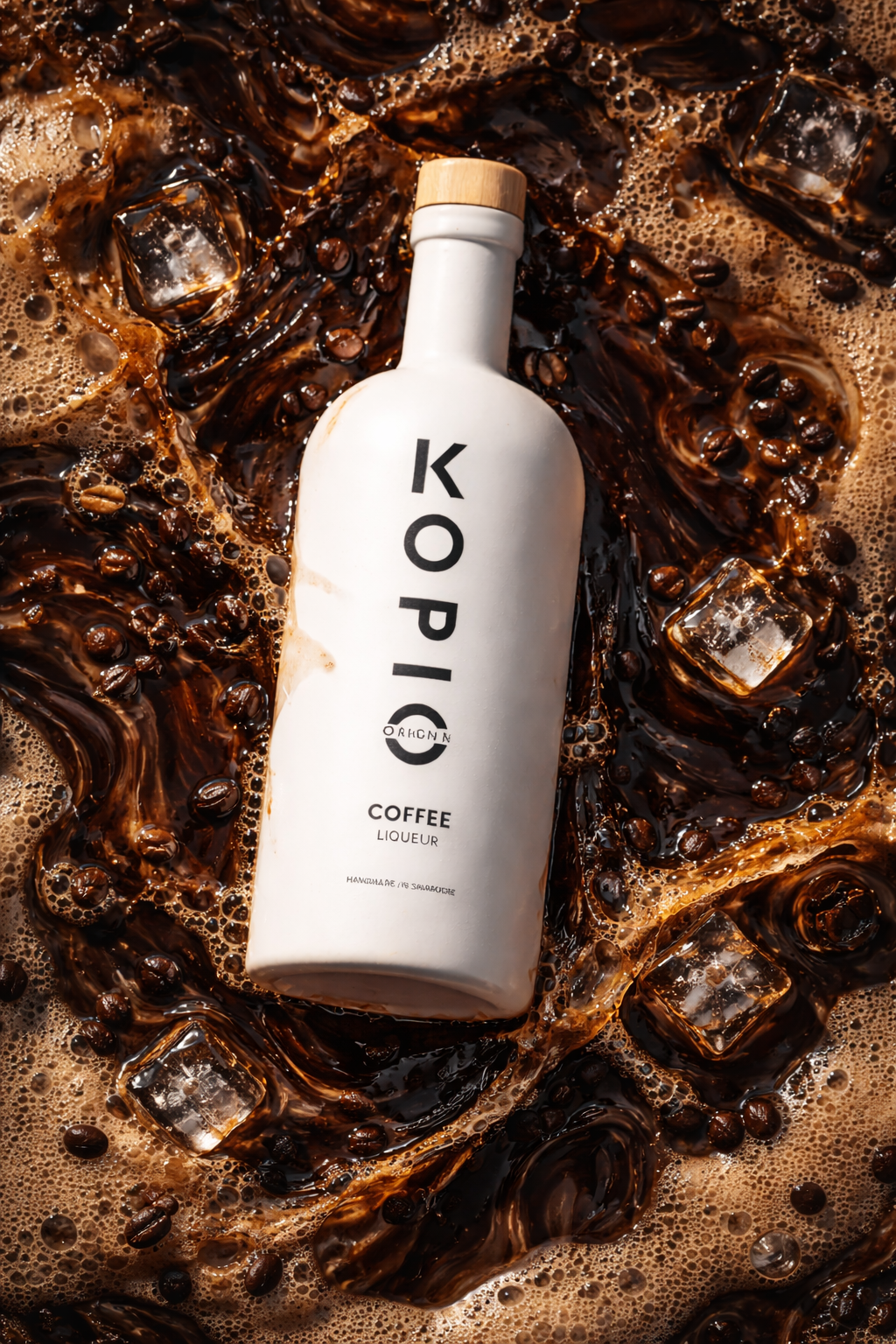
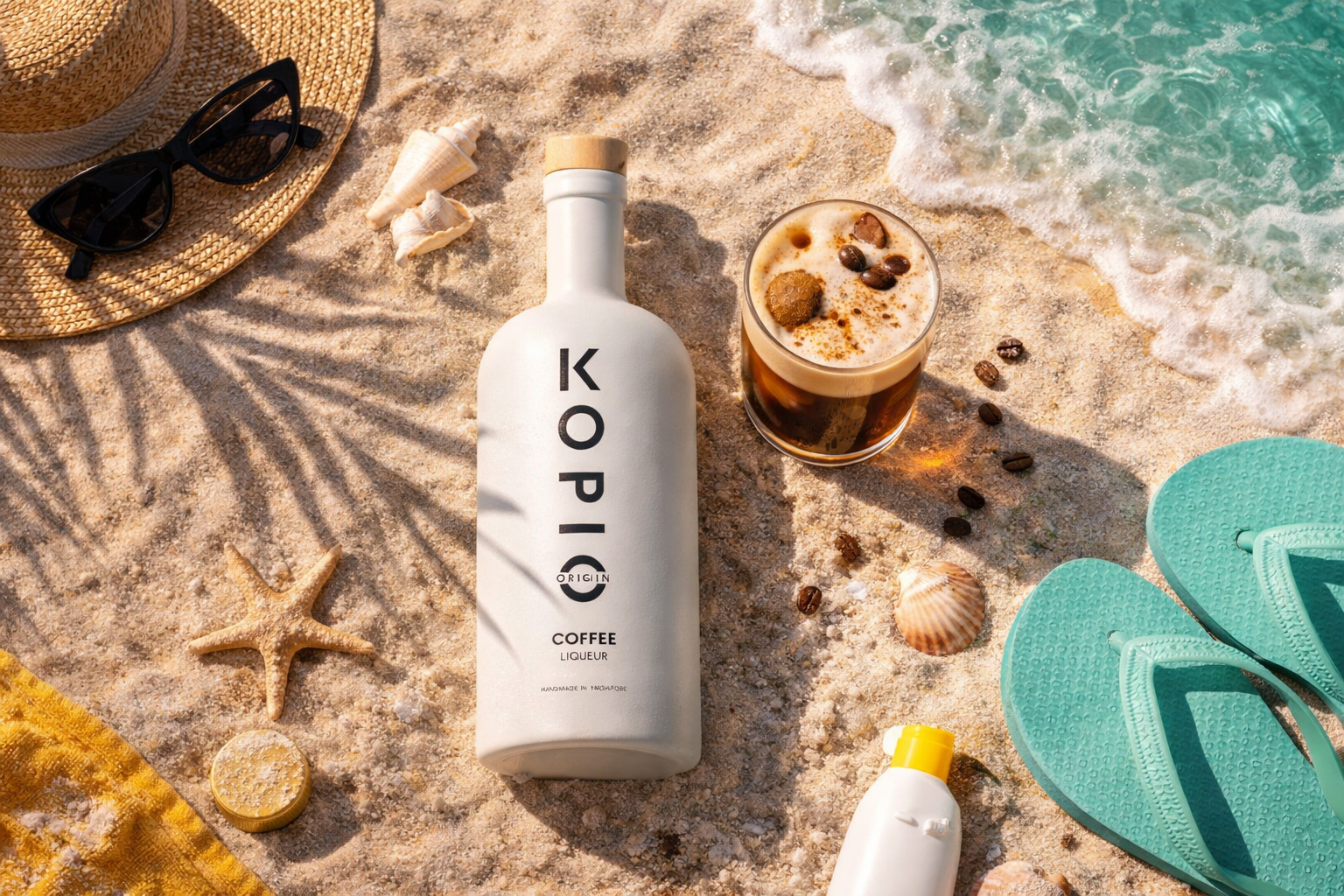
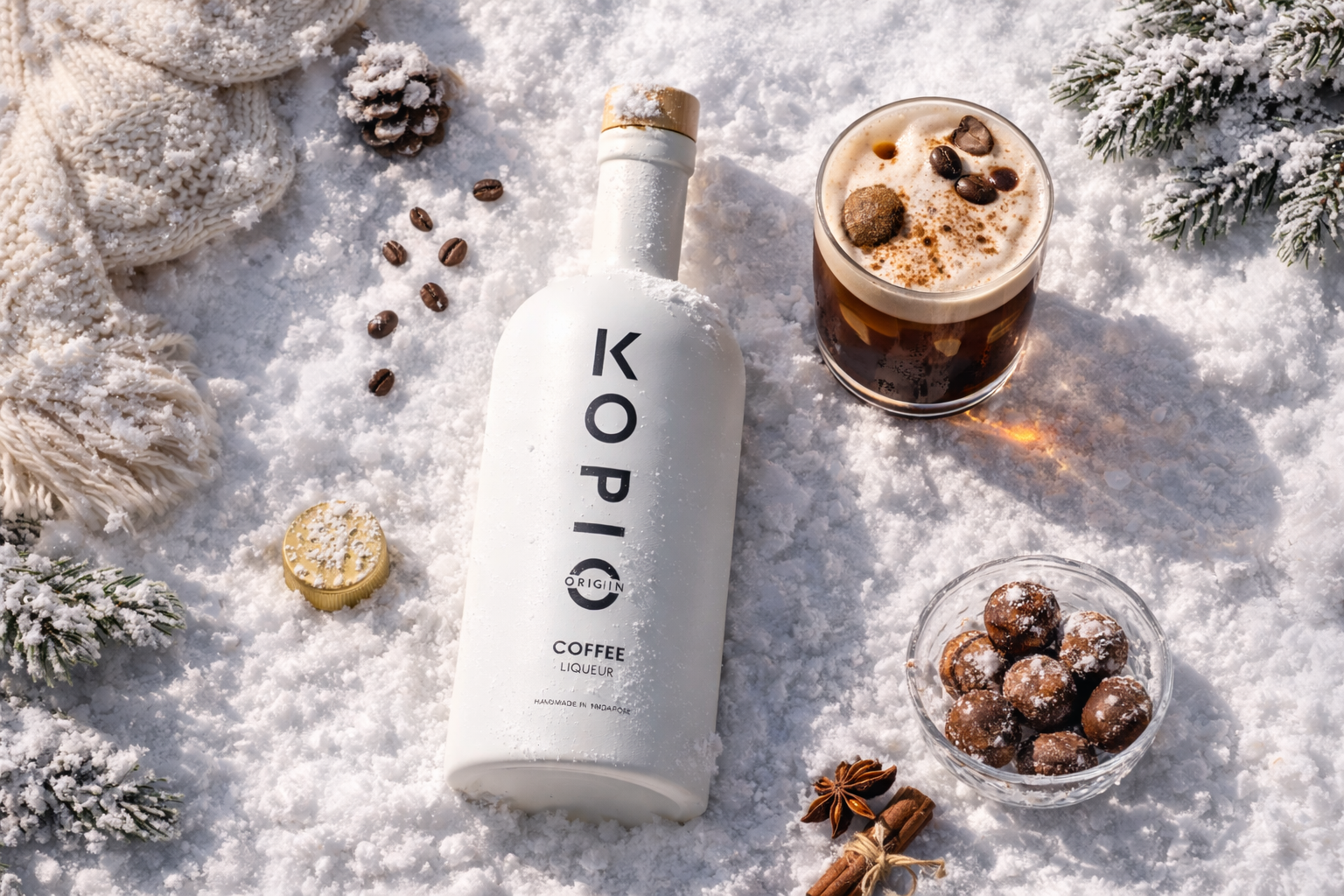
This is where KopiO stands out.
Crafted in Singapore with a clear focus on balance and usability, KopiO was designed not just to taste good on its own, but to function reliably in real bar conditions. Its coffee profile is expressive without being aggressive, and its sweetness is tuned for mixing rather than masking.
Hotel bars and cocktail-focused venues appreciate that KopiO behaves predictably across different recipes. It holds its character in classics, adapts smoothly to modern coffee cocktails, and pairs naturally with desserts without feeling heavy.
More importantly, it aligns with the way contemporary bars think about ingredients: flexible, refined, and built for repetition. This philosophy is reflected in the broader editorial direction of The Drink Journal, where performance and craftsmanship take precedence over hype.
You can explore how KopiO fits into this approach directly via Origin Crafted’s KopiO page, along with insight into its production ethos at Studio Origin and how it integrates into professional programs through Trade & Retail.
A Quick Sip Before You Scroll On
If you are curious how thoughtful ingredient design changes the way drinks are built, take a moment to explore the wider cocktail resources on The Drink Journal. Understanding structure makes every bottle behind the bar more meaningful.
The Takeaway
Some coffee liqueurs work better in cocktails because they are designed to. Balance, functional sweetness, clean coffee character, and versatility are not accidents. They are decisions.
As bars continue to prioritize consistency and craft, coffee liqueurs like KopiO that respect these principles naturally rise to the top. Not because they shout the loudest, but because they quietly do the work every service demands.
And in a busy bar, that reliability is what truly matters.
The Final Pour
If you are exploring coffee liqueurs from a bartender’s perspective, look past the label and taste with intent. When a liqueur works across cocktails, desserts, and neat pours without adjustment, you have found something worth keeping on the back bar.