Tasting Coffee Liqueurs for Balance, Depth, and Drinkability
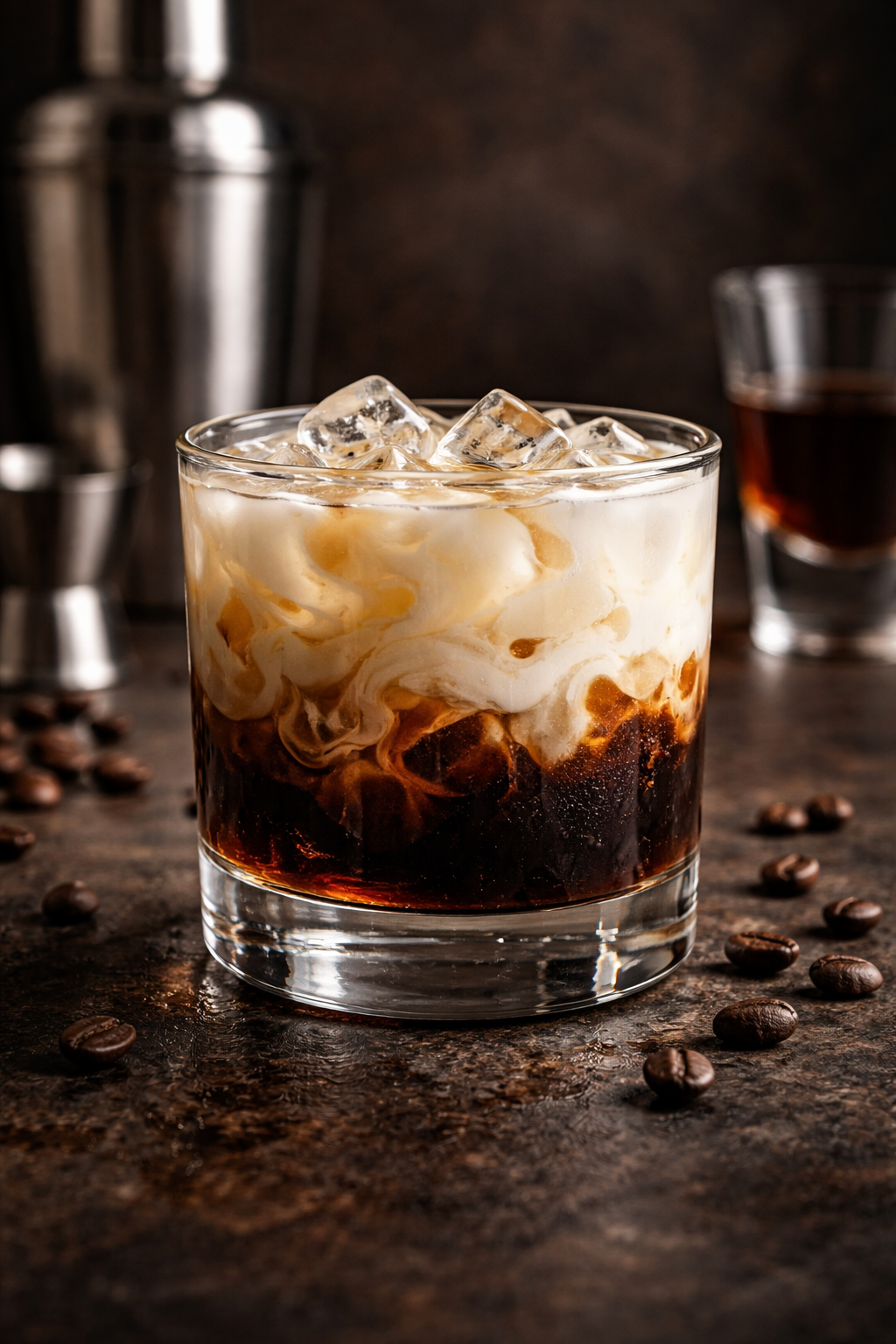

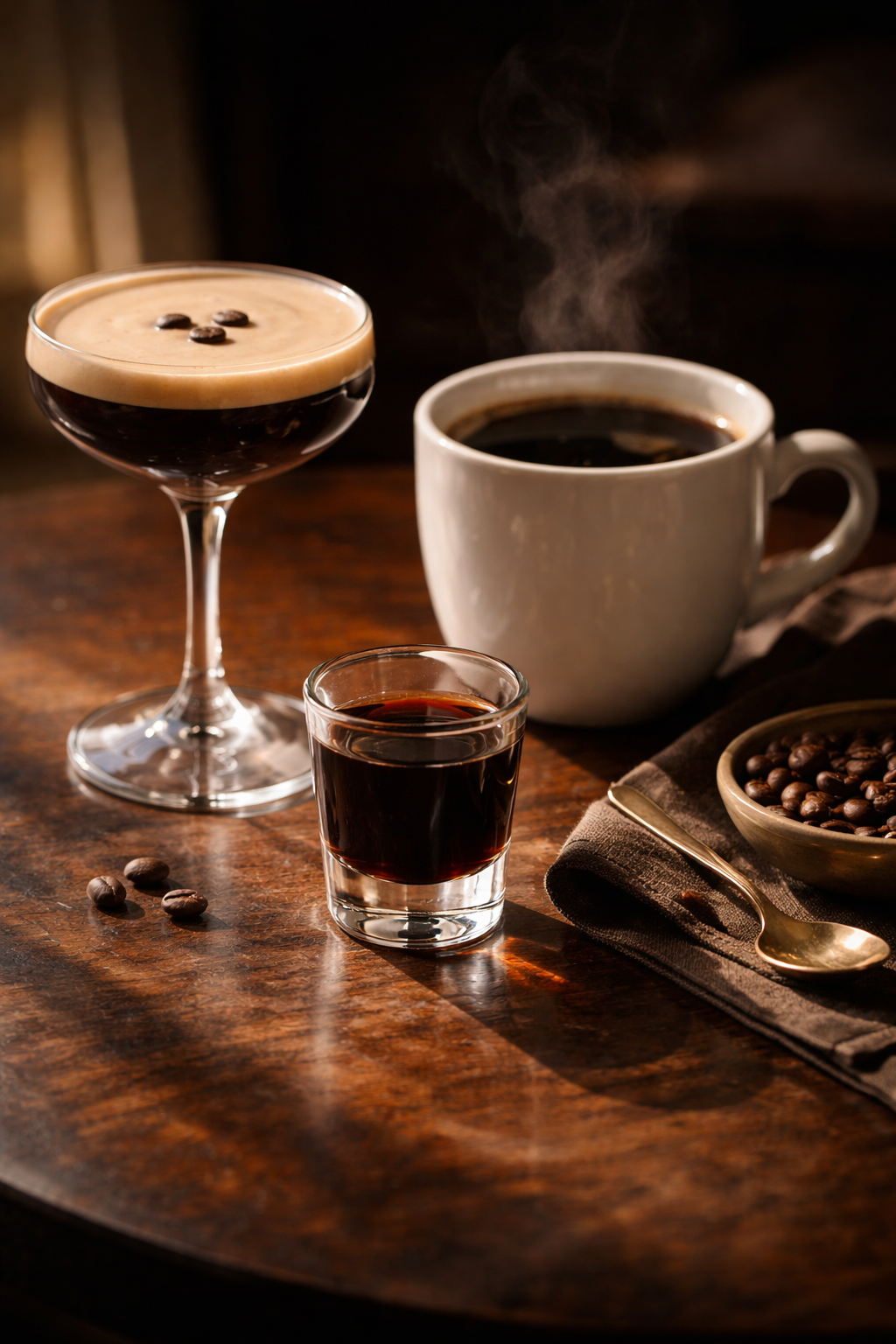
When coffee liqueur is evaluated seriously, tasting becomes less about sweetness or strength and more about how the liquid behaves over time. Balance, depth, and drinkability are qualities that only reveal themselves after repeated sips, across different serves, and in different contexts.
In modern bars, coffee liqueur is rarely judged neat and in isolation. It is tasted with ice, mixed into cocktails, folded into coffee drinks, and paired with desserts. Through this lens, clear distinctions emerge between liqueurs that are merely pleasant and those that feel truly considered.
Balance Starts on the First Sip
Balance in coffee liqueur is immediately noticeable. On the first sip, alcohol, sweetness, and coffee should arrive together rather than in stages. When one element leads too strongly, the drink can feel disjointed.
Sweeter liqueurs often open with sugar before coffee appears, while more aggressive styles push bitterness forward. Balanced liqueurs feel composed from the outset, allowing coffee to establish itself without needing time to settle.
Bars that value this kind of composure, such as Vender Bar in Taichung, tend to favour ingredients that feel stable from first taste to finish.
Depth Reveals Itself Over Time
Depth is not about intensity. It is about how flavour evolves as the drink moves across the palate. A shallow coffee liqueur may taste pleasant initially but fade quickly, leaving sweetness or alcohol behind.
Liqueurs with real depth allow coffee to unfold gradually. Roasted notes, subtle bitterness, and aroma remain present without becoming sharp. This quality becomes especially apparent in stirred cocktails or slow-sipping serves, where there is nowhere for flaws to hide.
You can observe how depth influences pacing and enjoyment in venues like Featherstone Bistro in Bangkok, where drinks are designed to linger rather than impress immediately.
Drinkability Is the Ultimate Test
Drinkability is often overlooked because it feels subjective, but it is one of the most practical measures of quality. A drinkable coffee liqueur invites another sip. It does not fatigue the palate or overwhelm the senses.
Overly syrupy liqueurs can become cloying. Highly bitter ones can feel exhausting. The most drinkable options strike a middle ground, offering enough presence to remain interesting without demanding attention.
This quality becomes especially important in coffee-based drinks and desserts, where multiple flavours and textures interact. Revisiting builds explored in The Drink Journal’s recipe archive shows just how quickly a liqueur’s limitations can surface once mixed.
How Kopi-O Performs Across These Criteria
Kopi-O consistently performs well when tasted for balance, depth, and drinkability. Its alcohol level sits comfortably within the category, but its smoother mouthfeel and persistent coffee presence set it apart.
Coffee arrives early on the palate and remains steady through the finish. It does not spike or fade abruptly. This gives Kopi-O a sense of calm balance that translates well across cocktails, coffee drinks, and desserts.
Depth is where it truly shines. Rather than relying on sharp roast or heavy sweetness, Kopi-O allows coffee to develop gradually. Each sip reinforces flavour without compounding intensity, which makes it particularly easy to drink over time.
This drinkability explains why it transitions so easily between formats. Whether used in a refined cocktail or paired with milk or brewed coffee, it maintains clarity without becoming tiring.
You can explore Kopi-O in more detail via Origin Crafted’s Kopi-O page, learn about the thinking behind its development at Studio Origin, or view availability for bars and partners through Origin Crafted Trade & Retail.
Why These Criteria Matter More Than Ever
As coffee culture becomes more sophisticated, drinkers are more sensitive to imbalance and excess. Coffee liqueur is no longer judged on novelty or sweetness alone, but on how thoughtfully it treats coffee as an ingredient.
At The Drink Journal, we continue to taste and observe how ingredients perform in real-world settings. Balance, depth, and drinkability are not abstract ideals. They are practical qualities that determine whether a bottle earns repeated use or quietly disappears from the shelf.